

Girls’ school numbers rise in Dedza, Lilongwe
Education officials in Dedza and Lilongwe say Mother Groups are driving one of the most significant shifts in girls’ education, with early pregnancies falling and retention rates rising across project schools.

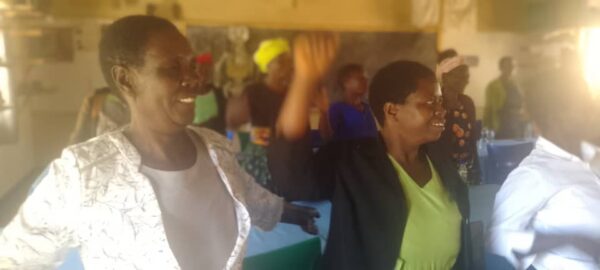
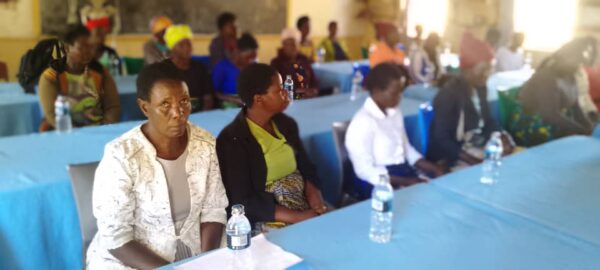
At a refresher course for 24 representatives, Mthandiza Zone Primary Education Advisor John Chakudza said the volunteer groups have become “central actors” in removing the barriers that push girls out of classrooms.
He highlighted menstrual hygiene support, safe learning spaces and improved school facilities as the areas where their impact is most visible.
Chakudza said refresher sessions help sharpen the groups’ understanding of their roles, but warned that community resistance remains a major obstacle, especially when intervening in early marriages or teenage pregnancies.
The Mother Groups were set up by Emmanuel University (EMUNI) under its Women Empowerment and Special Needs Education (WESNED) Project, funded by German charity Bread for the World.
EMUNI lecturer Ivy Mkandawire said data from participating schools shows a clear shift: fewer early marriages, more girls staying in school, and Standard 8 classes where girls now match boys in number.
She said the refresher course aimed to strengthen coordination, improve reporting pathways and allow members to share experiences from their schools.
Mkandawire stressed that the model works because it is rooted in maternal support at a critical stage of a girl’s development.
Speaking on behalf of the participants, Patricia Jason thanked EMUNI for the training, saying it had equipped Mother Group members with stronger skills to respond to the challenges girls face in their communities.