

Kamlepo’s grand plan to turn Malawi’s potential into a tourism powerhouse
Industry leaders warn that Africa’s “warm heart” risks being left behind as rivals aggressively court global visitors.
Malawi possesses Lake Malawi, mountain ranges, pristine beaches, wildlife corridors and animal species found nowhere else on the continent. Its people are widely regarded as among the friendliest in Africa. The weather is reliable. The scenery is spectacular.
And yet the country ranks tenth among SADC nations for tourism — a position that industry leaders say is as embarrassing as it is avoidable.
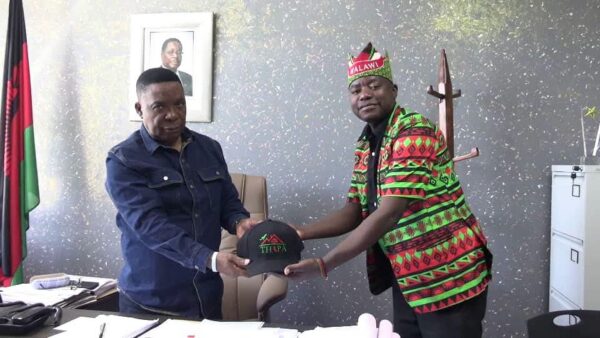
That frustration boiled over this week when the Tourism and Hospitality Industry Professionals Association convened a meeting with one of Malawi’s most ambitious new investors, with both sides agreeing that the era of polite underperformance must end.
“For too long, Malawi has been known merely as a potential tourism destination,” said THIPA president Sylvester Mtambo. “The time has come to be aggressive.”
A new investor enters the room
The catalyst for the discussion was the arrival of Kamlepo Kalua, chief executive of Umodzi Holdings, who outlined plans that represent perhaps the most ambitious private tourism investment the country has seen in years.
Umodzi Holdings is developing a casino on Likoma Island — the remote but breathtaking island territory deep in Lake Malawi — alongside a hotel at Malembo in Mangochi and, most striking of all, a cruise ship to sail the lake itself.
Lake Malawi, the ninth largest lake in the world and a Unesco World Heritage Site, has long been described as Malawi’s greatest untapped asset. A cruise offering on its waters would be without precedent and could fundamentally alter how international visitors experience the country.
Kalua said the projects were specifically designed to generate foreign exchange — a critical priority for an economy under considerable currency pressure.
“We have the lake as our centrepiece, mountains, wildlife, beaches, valleys and species other countries simply do not have,” he said. “The product is there. What has been missing is the will to sell it.”
The numbers tell their own story
Tourism currently contributes seven per cent to Malawi’s GDP — a figure that industry insiders regard as a significant underachievement given the country’s natural endowments.
The SADC ranking of tenth is particularly striking when set against neighbours such as Zimbabwe, Tanzania and Zambia, all of which have leveraged comparable or lesser natural assets into far larger tourism economies.
Mtambo told Kalua that what Malawi needs above all else is not more potential — it has that in abundance — but coordinated, aggressive and properly resourced marketing, backed by genuine private and public sector partnership.
Kalua, describing the meeting as insightful, pledged to work alongside THIPA to improve service delivery standards across the industry — acknowledging that world-class attractions must be matched by world-class hospitality if Malawi is to compete seriously for the international visitor.
For a country that has spent decades being told it is on the verge of a tourism breakthrough, the question is no longer whether Malawi has what it takes.
It is whether those with the power to act will finally stop talking about potential and start converting it.
Follow and Subscribe Nyasa TV :