

Illovo’s Price Hike: A Blatant Insult to Malawian Consumers

At a time when sugar is scarce, Illovo Sugar Malawi has made the audacious decision to raise prices, leaving consumers baffled and enraged. This move defies basic economic logic and exposes the company’s prioritization of profits over the welfare of Malawians.
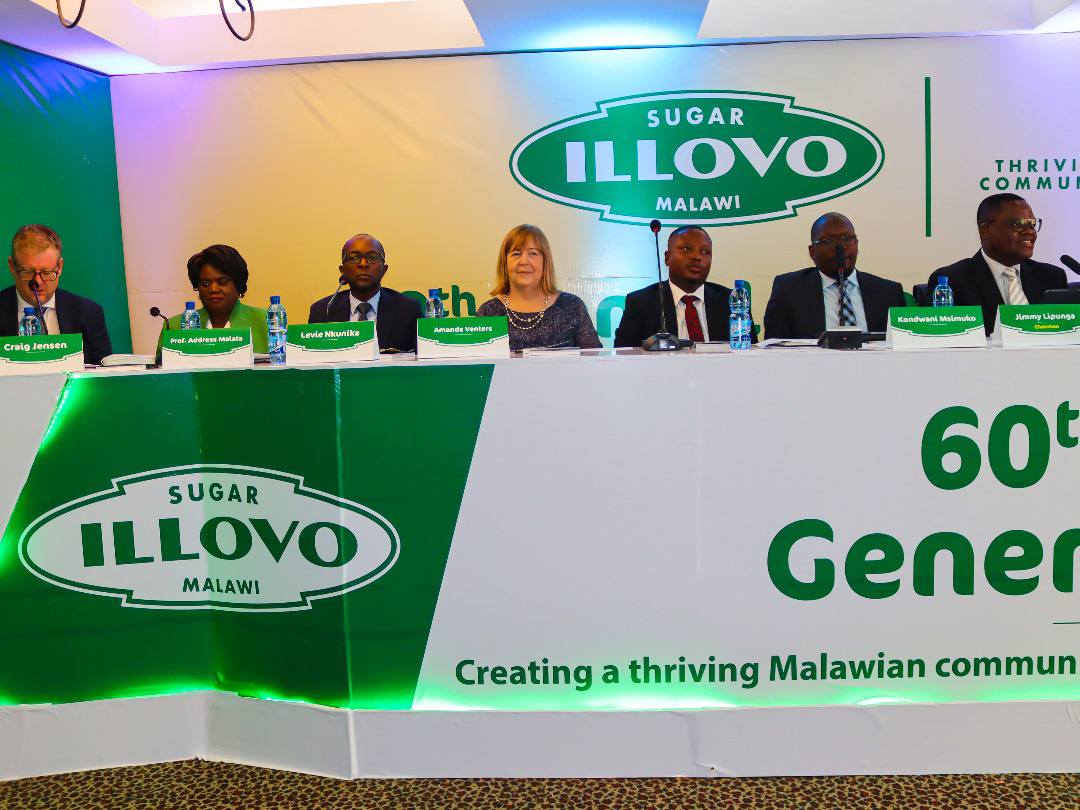
If sugar is already in short supply, where is the justification for a price increase? Typically, a shortage signals production or distribution inefficiencies, yet instead of addressing these challenges, Illovo has chosen to squeeze even more out of struggling consumers. Their justification—rising costs of production—rings hollow when hoarding and artificial shortages have driven prices to exorbitant levels beyond their so-called “recommended retail prices.”

Let’s be clear: this price hike is not just “ill-timed,” as the Consumer Association of Malawi (CAMA) puts it; it is exploitative. It sends a dangerous message that corporations can manipulate scarcity to inflate prices at will, while authorities scramble to contain the crisis.

Even more damning is the fact that just days ago, the government exposed sugar hoarding at a major retailer, proving that consumers are already paying far beyond Illovo’s official prices. Instead of taking responsibility for stabilizing supply and enforcing fair trade, Illovo has rewarded those hoarding the product with an official price increase—effectively legitimizing their exploitation of consumers.

Where is the Competition and Fair Trade Commission in all this? How does a company justify raising prices when supply is already deliberately constrained? And more importantly, how long will Malawians continue to be at the mercy of a monopolistic giant that dictates prices with little regard for fairness or public interest?

This is not just about sugar; it is about corporate accountability, consumer protection, and economic justice. Malawians deserve answers—and action.

Follow and Subscribe Nyasa TV :
Follow us in Twitter

12 replies on “Illovo’s Price Hike: A Blatant Insult to Malawian Consumers”

  1. This why people deem Nyasa Times as not being a credible source. Any economist will tell you that whenever there’s a shortage of a good or service and demand remains the same, the law of demand and supply will lead to the increase of the price of that good or service being sold.

  2. Ilovo is struggling – prices go up when there is a shortage. This is poor journalism and the writer clearly has no knowledge of economics. Everything is being trucked by Ilovo since the southern railways failed and the Chiromo bridge over the Shire washed away. I may be Rwandan, but even a South African can understand better than Malawians about economics. Be grateful that Ilovo hasn’t given up on Malawi… and returned to Kwazulu Natal.

  3. Is there any proper reason these guys can explain to Malawians for price adjustment of their sugar or their doing it for polical gains.please let these people go where they came from let others take over the company and do fair business.These people called competition and fair trade they are not helping us and too all of them must leave the organization they have failed

  4. Problem of monopoly ,will still struggling like this I don’t know why Salima sugar is not revamping

  5. That’s why I do hate the Bakili Muluzi regime for privatising such companies.
    Salima Sugar has to scale up it’s productivity and be the major supplier.
    These other so called investors are doing harm than good to Malawian citizenry. Whether they are doing this for political reasons to foil Chakwera administration, they better know that the one suffering most is a Malawian at the grass root.

  6. A very good write-up. But let’s, for once, as a nation think of how best we can ensure that our own (sugar) companies thrive. We have sabotaged our own companies leaving foreigner’s companies to succeed and monopolize the sugar market. Wake up, Malawians!

  7. There is a sugar alternative called stevia… It’s a crop. I read somewhere that Greek tobacco farmers are transitioning from tobacco growing to stevia production due to global anti smoking campaigns.

Comments are closed.