

IMF optimism meets Malawi’s harsh economic reality: Mwanamvekha can’t keep dodging responsibility
The International Monetary Fund (IMF) latest mission statement reads like a diplomatic pat on the back — “constructive discussions”, “credible policies”, “commitment to stability”. But for Malawians living with a collapsing kwacha, empty forex reserves and the highest cost‑of‑living pressure in years, the tone borders on detached.
The Fund applauds government efforts to “align domestic prices with global trends”. In reality, that alignment has meant fuel hikes, food price surges and transport costs that have gutted household budgets.
These are not abstract macroeconomic adjustments — they are daily shocks absorbed by families whose incomes have not moved in years.And this is where the political accountability question becomes unavoidable:
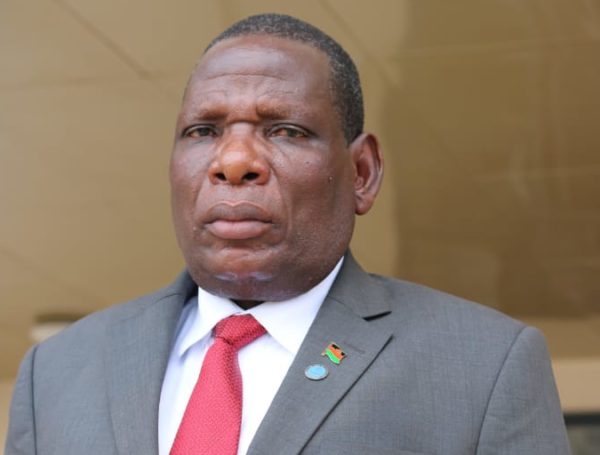
Where is Finance Minister Joseph Mwanamvekha in all this — and when will he finally show fiscal leadership?
For months, Malawians have endured the consequences of policy drift:a kwacha in freefall,forex shortages that cripple imports,inflation that eats through salaries,and businesses struggling to survive.
Yet Mwanamvekha continues to hide behind IMF language instead of confronting the crisis head‑on.
The Fund’s praise may offer him political cover, but it does nothing for the millions of Malawians rationing food, delaying medical care and watching their purchasing power evaporate.
The IMF hints at a possible Extended Credit Facility — another bailout, another round of conditions. But a responsible finance minister would level with the public about what those conditions mean.
Will subsidies be cut? Will taxes rise? Will the kwacha be adjusted again? Silence is not leadership.
TheIMF team held meetings with usual circle of officials including Minister of Finance, Economic Planning and Decentralisation Joseph Mwanamvekha, Reserve Bank of Malawi Governor George Partridge, Secretary to the Treasury Cliff Chiunda and other senior government officials.
The mission also engaged representatives of the private sector, .bankers and development partners — but not the people who feel the pain of every policy misstep. No civil society. No labour unions. No consumer advocates. The absence speaks volumes.
If Mwanamvekha wants to claim credibility, he must earn it — not through IMF statements, but through actions that stabilise prices, strengthen the currency and protect households from further economic harm.
Right now, the gap between official optimism and daily survival is widening — and the responsibility for closing it sits squarely on the finance minister’s desk.
Malawi is seeking a new IMF‑backed programme after its previous ECF lapsed in May 2025, when the government failed to complete a scheduled review, leaving it with only the initial $35mn disbursement.
Follow and Subscribe Nyasa TV :