

Kamuzu Stadium ban forces giants into exile and exposes Malawi football’s growing infrastructure crisis
The omission of Kamuzu Stadium from the list of approved venues for the 2026/2027 elite football season is not merely an administrative decision; it is a development that is already reshaping the structure, experience, and economics of Malawian football. Alongside Mzuzu Stadium and Nankhaka Stadium, the country’s most iconic football arena has been declared unfit by the Football Association of Malawi after failing to meet required standards despite months of prior notice.
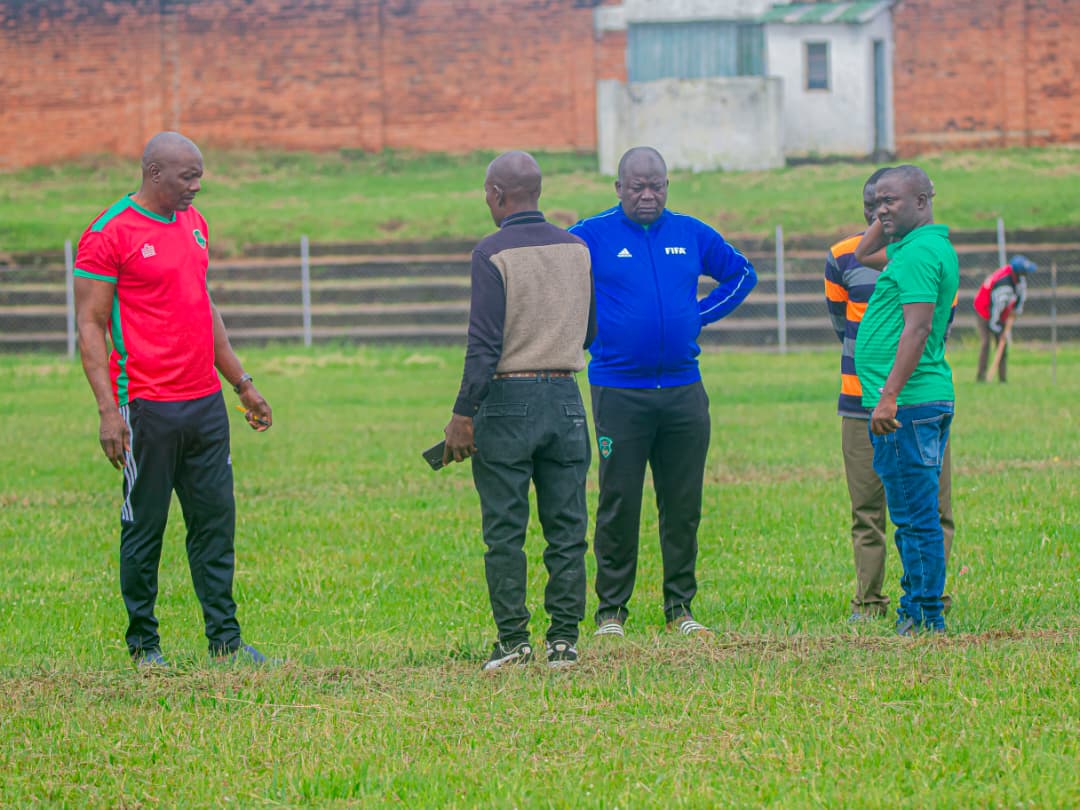
For clubs such as Mighty Wanderers, FCB Nyasa Big Bullets and Ekhaya FC, the decision is a direct blow to their competitive edge. Kamuzu Stadium has long been more than just a venue; it has been a fortress.
The packed stands, the noise, and the emotional intensity have historically given home teams a psychological advantage that is difficult to replicate elsewhere. Being forced to relocate strips these teams of that edge and, as one analyst observed, “you are not just moving a match, you are dismantling an atmosphere that took years to build.”
The relocation of matches is already producing unusual scenarios. FCB Nyasa Big Bullets have confirmed they will temporarily use Joyce Chitsulo Stadium, a move that has sparked debate among supporters. The prospect of a Blantyre Derby being staged outside Blantyre has been described by some fans as “a distortion of football culture,” while others argue it diminishes the identity of one of the country’s most celebrated fixtures.
The consequences extend far beyond the pitch. Supporters, particularly those based in Blantyre and Mzuzu, now face the reality of either incurring additional travel costs or missing matches altogether. For many, this effectively means exclusion. Football has always been one of the most accessible forms of entertainment in Malawi, but this shift risks turning it into something less inclusive. “You cannot expect loyal fans to follow their teams across districts every weekend,” one supporter lamented, capturing a growing frustration among the fan base.
In the north, the continued absence of Mzuzu Stadium from the elite roster deepens concerns about regional imbalance. Last season, similar issues forced teams to relocate, and the recurrence of the problem raises difficult questions. As one observer put it, “how many times does the same stadium have to fail before we admit there is a serious management problem?”
The economic implications are equally significant. Match days at Kamuzu Stadium have traditionally supported a wide network of small businesses, from street vendors and food sellers to transport operators. With elite matches no longer taking place there, that entire ecosystem is disrupted. What appears on paper as a regulatory outcome translates on the ground into lost income and shrinking opportunities for ordinary people who depend on football-related activity.
At the center of this situation is a growing sense that this outcome was avoidable. The Football Association of Malawi has indicated that stadium authorities were given time to address deficiencies identified during earlier inspections. The failure to meet those standards despite such warnings has been widely interpreted as a sign of negligence rather than incapacity. “This is not about lack of knowledge; it is about lack of urgency,” one analyst noted, pointing to a pattern of delayed action and reactive fixes.
The timing makes the situation even more striking. The FDH Bank Premiership 2026 season, scheduled to begin on 25 April 2026, was expected to signal a fresh chapter for domestic football under new sponsorship. Instead, it begins under a cloud of logistical disruption and institutional scrutiny. The absence of key venues has shifted attention away from the excitement of a new season to the shortcomings of the systems that sustain the game.
What is unfolding is more than a temporary inconvenience; it is a stress test for Malawian football. It challenges authorities to move beyond short-term compliance and commit to long-term infrastructure planning. It forces clubs to adapt to unfamiliar environments while maintaining performance. Most importantly, it puts into sharp focus the need to protect the bond between the game and its supporters.
If there is any positive to be drawn, it is that the situation has exposed underlying issues that can no longer be ignored. But exposure alone is not enough. Without swift and decisive action, the risk is that what is currently a disruption could evolve into lasting damage for the sport’s credibility, competitiveness, and community foundation.
Follow and Subscribe Nyasa TV :