

Malawi buys electricity from Zambia, draws angry reactions from Malawians
Malawi government has finally sealed a deal with Zambia to buy 20 megawattso f electricity from Lusaka through power sharing agreement as Electricity Supply Corporation of Malawi (Escom) iss till failing to explain the use of the newly acquired gensets whose fuel was siphoned off in a K3 billion racket scheme.
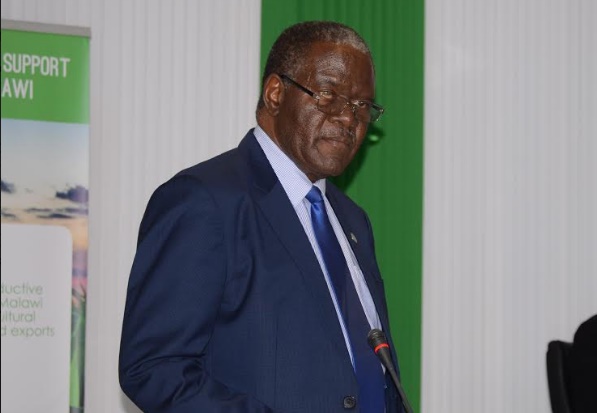
Minister of Natural Resources, Energy and Mining Aggrey Massi signed the agreement on behalf of the Malawi government in the presence of Minister of Industry, Trade
and Tourism Henry Mussa.
The two cabinet ministers flew to Lusaka on Tuesday and signed the agreement on Wednesday.
This means that Lusaka will now sell the electricity to Lilongwe through the interconnection power agreement from Chipata.
However, Malawians on social media platforms are describing the deal as too little too late, questioning the whereabouts of the much touted gensets which are now idle after Escom racketeers siphoned off the fuel.
Some Malawians even laughed off the agreement, saying in the past, it was Malawi selling the power to Zambia through Lundazi.
Electricity remains the critical issue in the run up to the 2019 election.
On Wednesday, Escom officials were imploring upon Malawians to allow the power utility state company raise the power tariffs, a move denied by the Consumers Association of Malawi, Malawi Chambers of Commerce
and Industry, main opposition the Malawi Congress Party and other section of society.
Escom plans to increase the tariff by 60 percent from an average K73 per kwh to K117 per kwh within four years.
If approved, the tariffs for domestic users will increase from K49 to K81 per kwh, K84 to K135 per kwh for small industries and K94 to K157 per kwh for large industries.
Alfred Kaponda, one of the officials at Escom told a meeting in Lilongwe that the raise of the tariffs would help improve efficiency at the power house persistently hit by massive corruption and theft of public money.
The Millennium Challenge Account Malawi (MCA-M) and World Bank have backed power distributor’s proposed base tariff increase, arguing that it is a means to attract investments into the sector and improve access to electricity for more Malawians.
Follow and Subscribe Nyasa TV :