

Malawi on a Dangerous Path as Environment Report Warns of Disappearing Forests, Dying Soils and a Population Set to Double
Malawi is sliding towards an environmental crisis that could undermine its economy, food security and future development unless urgent action is taken, a landmark government report launched on Thursday has warned.
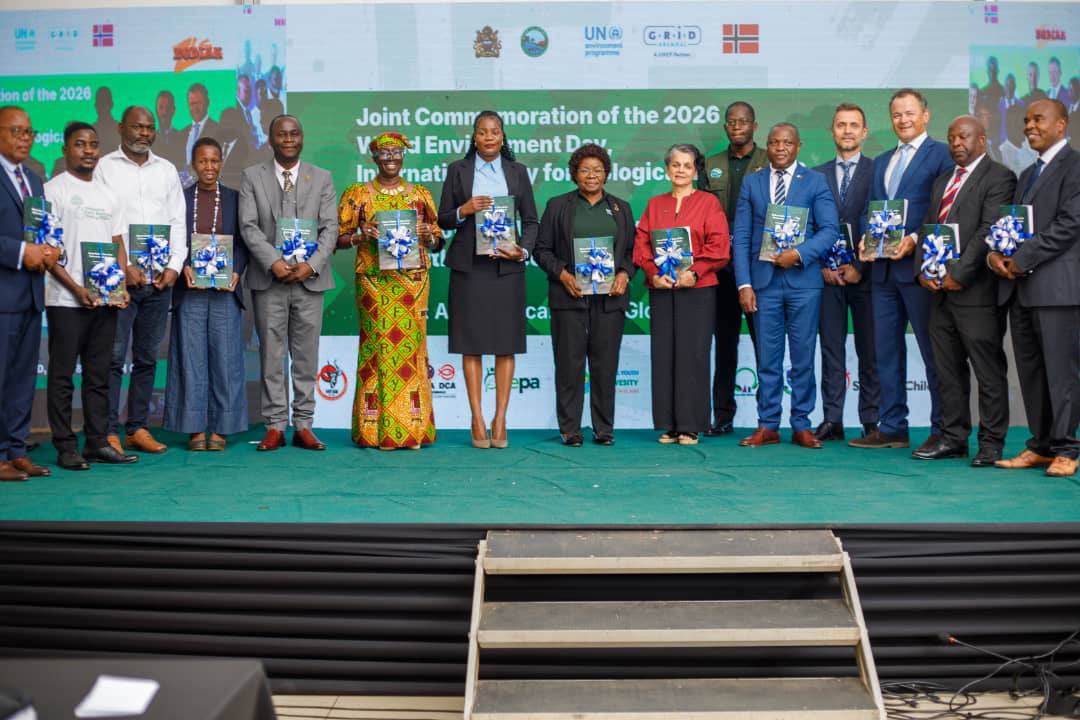
The warning comes from the 2026 National State of the Environment and Outlook Report (NSEOR), launched by the Ministry of Natural Resources, Patricia Wiskes, which presents one of the most comprehensive assessments yet of the country’s environmental health.
The report concludes that Malawi remains trapped in the “Pendapenda Scenario”—a development path where economic ambitions grow, policies and institutions exist, but environmental degradation continues largely unchecked.
Its findings paint a troubling picture of a country battling rapid population growth, shrinking forests, degraded soils, rising pollution and intensifying climate shocks, while remaining heavily dependent on natural resources for survival.
The report’s central message is stark: Malawi is consuming its natural capital faster than it can replenish it.
One of the most striking findings is the pace of population growth. Malawi’s population has increased from 13.1 million in 2008 to 20.7 million in 2024—an increase of nearly 58 percent in just 16 years. If current trends continue, the population is expected to exceed 40 million by 2050. Population density has also risen sharply, from 157 people per square kilometre in 2010 to 230 in 2024. According to the report, this growth is placing unprecedented pressure on land, forests, water resources and public services.
As demand for food rises, more land is being converted to agriculture. Agricultural land has expanded from 34 percent of Malawi’s total land area in 1961 to 63 percent in 2020. While this expansion has supported livelihoods and food production, it has come at a steep environmental cost. Forests, wetlands and natural habitats are steadily giving way to farms and settlements.
The report identifies deforestation as one of Malawi’s most serious environmental threats. About 90 percent of households still rely on firewood and charcoal for energy, driving relentless tree cutting across the country. Experts warn that continued forest loss is threatening biodiversity, damaging water catchments and weakening the country’s resilience to climate shocks.
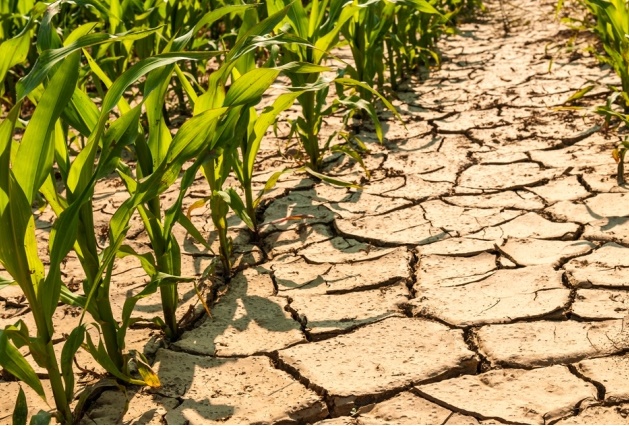
Beneath the surface, another crisis is unfolding. Land degradation now affects an estimated 60 percent of Malawi’s land area. Farmers lose an average of 29 tonnes of soil per hectare every year through erosion, while some areas lose as much as 39 tonnes annually.
For a country whose economy depends heavily on agriculture, the implications are profound. Agriculture contributes between 30 and 40 percent of GDP, employs up to 85 percent of the workforce and generates as much as 90 percent of foreign exchange earnings. Yet the report warns that the very soils supporting this economic activity are steadily losing their productivity.

Climate change is making matters worse. Since the late 1990s, Malawi has experienced more than 19 major floods and seven severe droughts. Cyclones Ana and Freddy exposed the country’s vulnerability to extreme weather, leaving widespread destruction in their wake.
Scientists project temperatures could rise by more than one degree Celsius by 2040, bringing greater uncertainty to rainfall patterns and agricultural production. With nearly 90 percent of Malawians depending directly or indirectly on agriculture, the consequences could be severe.
The report warns that climate change is likely to deepen food insecurity, poverty and economic vulnerability. The economy is already showing signs of strain. GDP growth has slowed from 5.7 percent in 2014 to 3.2 percent in 2024. More than half of Malawi’s smallholder farmers live below the poverty line, while 22 percent live in extreme poverty.
The report argues that environmental degradation and poverty are increasingly feeding each other. As forests disappear, soils degrade and harvests decline, communities become poorer. As poverty deepens, households rely even more heavily on forests, land and other natural resources to survive. The result is a vicious cycle that becomes harder to break with each passing year.
Urban areas are also feeling the pressure.
Between 60 and 75 percent of residents in Lilongwe and Blantyre live in informal settlements, where access to sanitation, waste management and clean energy remains limited. This has contributed to rising pollution, increasing waste and growing pressure on already strained urban services.
Air pollution is emerging as a major public health threat. The report estimates that around 10,000 premature deaths occur annually due to air pollution. It also links air pollution to between 30 and 40 percent of acute respiratory infections among children under five.
Despite these challenges, the report acknowledges progress in environmental governance, including the establishment of the Malawi Environment Protection Authority (MEPA), stronger environmental laws and growing public awareness. However, it concludes that these gains have not been enough to reverse the overall trend of environmental decline. Instead, Malawi appears to remain firmly within the Pendapenda scenario first identified in the 2010 State of the Environment Report.
Under this pathway, development continues, institutions function and policies are formulated, but environmental sustainability fails to keep pace with population growth and economic pressures. In effect, the country is developing while steadily eroding the natural foundations upon which that development depends.
The report warns that if current trends continue, Malawi could face worsening food insecurity, growing water shortages, declining agricultural productivity, increased vulnerability to climate disasters and mounting economic losses.
Its message is clear: environmental sustainability can no longer be treated as separate from economic development. The report’s most powerful warning is that the crisis is not a distant threat waiting in the future. It is already visible in disappearing forests, eroded farmland, polluted air, degraded ecosystems, recurring floods and struggling communities across the country.
The question, the report suggests, is no longer whether environmental decline is happening. It is whether Malawi can change course before the costs become too great to bear.
Follow and Subscribe Nyasa TV :