

Malawi’s national exam results reveal mixed outcomes amid resource concerns
- Damning results reveal shocking gender gap as campaigners demand urgent government action over “dwindling” education standar
Malawi’s national exam results have laid bare a troubling picture of the country’s education system — with primary school pass rates plunging by a shocking six percentage points, even as experts warn of overcrowded classrooms and pupils forced to sit on bare floors.
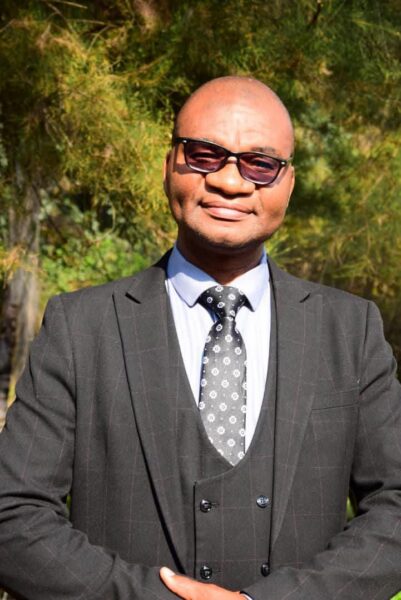
The Malawi National Examinations Board (Maneb) dropped the bombshell figures in a statement co-signed by Secretary for Education Ken Ndala and Maneb executive director Dorothy Nampota, revealing a system of “mixed fortunes” for the country’s young learners.
Of the 245,048 candidates who sat the Primary School Leaving Certificate of Education (PSLCE), just 198,903 passed — a pass rate of 81.17 percent, down dramatically from 87.5 percent the previous year.
But it wasn’t all doom and gloom. The Junior Certificate of Education (JCE) pass rate actually climbed to 81.21 percent, up from 77.61 percent in 2025, with 125,777 of the 154,880 candidates who sat the exam making the grade.
Yet buried within the numbers is a troubling gender divide that campaigners say cannot be ignored. Male PSLCE candidates smashed through with an 85.69 percent pass rate — compared to just 76.94 percent for their female counterparts. The pattern repeated at JCE level, where boys achieved 84.04 percent against 78.49 percent for girls.
Candidates with special needs, meanwhile, posted a 71.5 percent pass rate at PSLCE level and 82.41 percent at JCE level.
Zomba Urban emerged as the standout performer, topping both the PSLCE and JCE district rankings with 29 percent and 26 percent respectively, followed closely by Mzuzu City and Lilongwe West. The Northern Education Division led the way in PSLCE results, with 19.6 percent of candidates scoring A’s and B’s. National secondary schools posted the strongest results of any school category, at a striking 91.16 percent.
But behind the statistics, campaigners and experts are sounding the alarm over what they say is a system creaking under the strain.
Civil Society Education Coalition (Csec) board chairperson Limbani Nsapato didn’t hold back, warning that government urgently needs to investigate the troubling decline in PSLCE performance and roll out targeted remedial measures — while confronting the “persistent gender gaps and socio-economic barriers” holding girls back.
“Government should strengthen inclusive education through specialist teachers, provide adequate teaching and learning materials, expand opportunities for learners with special needs to transition to secondary education,” Nsapato urged.
He went further, demanding authorities accelerate the construction and expansion of secondary schools — particularly Community Day Secondary Schools — and dramatically ramp up the recruitment and fair deployment of teachers to plug gaping resource gaps.
And it wasn’t just campaigners raising the alarm. Mzuzu University-based educationist Foster Lungu delivered a scathing assessment of the country’s education sector, pinning the blame squarely on inadequate resource allocation.
“The expectation is that we should have been making progress, but from the look of the results, little progress is being made,” Lungu warned.
He painted a grim picture of conditions on the ground, revealing that some primary schools are being run by just a handful of teachers — with children left with no choice but to sit on the floor for lessons.
“The situation is similar in secondary schools, where standards are also dwindling,” he added ominously.
With the government now facing mounting pressure to act, questions are being asked over just how much longer Malawi’s learners will be forced to pay the price for a system campaigners say is falling badly short.
Follow and Subscribe Nyasa TV :