

Mugabe divides Malawians in death as he did in life
Towering divisive figure in African politics, former president of Zimbabwe Robert Mugabe, has once again divided Malawi opinion on his legacy after his death was announced on Friday.
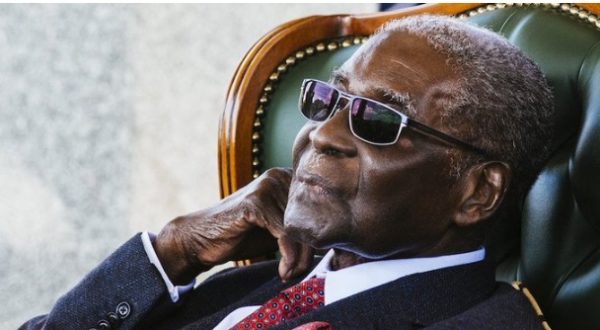
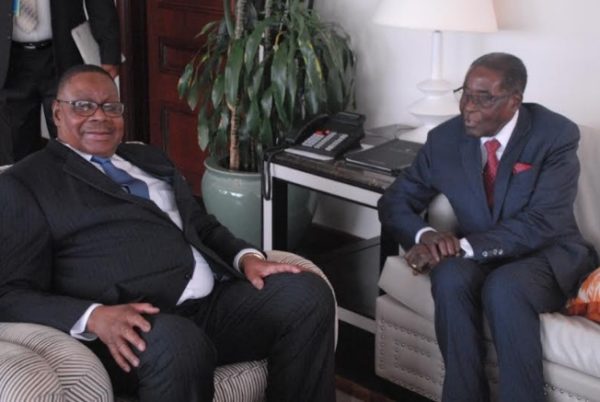
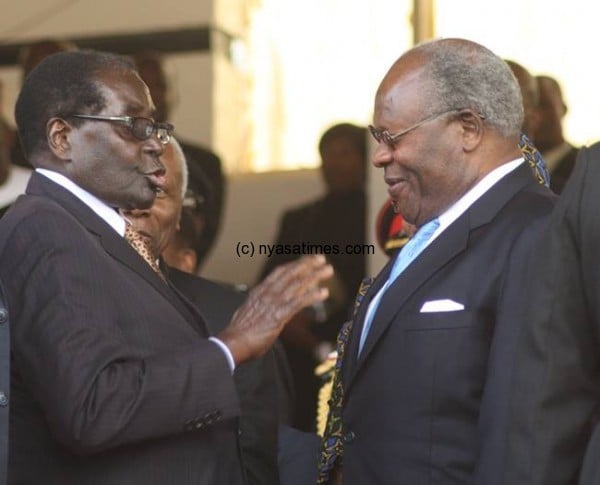
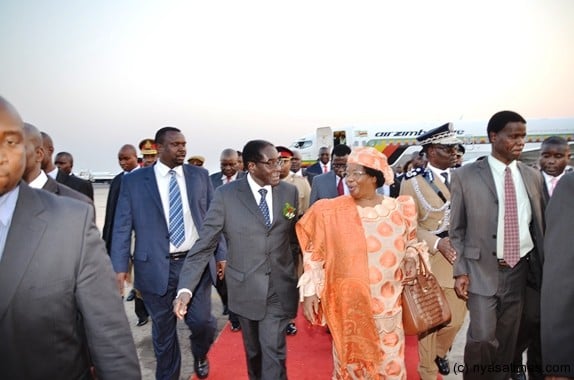
Mugabe, who infamously claimed that “only God” could ever remove him from office, has died aged 95 at a Singapore hospital almost two years after being ousted from power in a bloodless coup. He ruled his country with an iron fist for 37 years.
Details of what ailed him were a closely guarded secret.
But Zimbabwe President Emmerson Mnangagwa tweeded on Friday: “It is with the utmost sadness that I announce the passing on of Zimbabwe’s founding father and former President, Cde Robert Mugabe.”
Taking up in various social media platforms, some Malawians have been pouring condolence messages for the death of Mugabe, describing him as a true pan Africanist.
“It is not Mugabe who run down the Zimbabwe economy. It is the whites, the Americans and Europeans who put unnecessary sanctions on Zimbabwe because he was very critical of him,” reads a Facebook post by William Mangani.
Others praised Mugabe for his bold decision to grab land from white farmers and give it to landless Zimbabweans, saying the whites grabbed two-thirds of the most fertile land.
Winston Mwale, who said he did his education in Zimbabwe, praised Mugabe for putting in place a robust education system.
However, Mugabe’s Malawian critics said the former Zimbabwe president’s decision to grab the white land was done with ill intention as he gave the land to the ruling Zanu PF officials and sympathisers, top civil servants and army officers, ruining the economy and crippling the once Africa food basket.
Other Malawians, like Deguzman Kaminjolo, Dr. Thandiwe Hara, Maxwell Ng’ambi were all blunt, describing Mugabe as a tyrant who killed his own people to consolidate power, crashed the economy due to bad policies and deserves no tear for his death.
Others said Mugabe has died in the comfort zone of Singapore due to old age when millions of Zimbabweans are dying young because of dilapidated health system in Zimbabwe created by Mugabe himself.
Once touted internationally as the hope of his nation, Mugabe left office with a grim legacy, after waging a campaign of oppression and violence to maintain power, and driving into poverty a country once known as the breadbasket of southern Africa.
He began his political career as a leader in the quest for the independence of Zimbabwe — then known as Rhodesia — and was regularly compared to South Africa’s venerated freedom fighter Nelson Mandela.
As a revolutionary guerrilla leader, he fought white-minority rule and spent years in jail as a political prisoner.
After 10 years in prison, he earned university degrees in education, economics and law from the University of London. In the mid-70s, he assumed leadership of the political wing of the Zimbabwe African National Union (ZANU-PF), a militant liberation movement based in Mozambique.
From there, he helped orchestrate an armed resistance against white rule, emerging as a war hero both at home and abroad when the conflict ended in 1979.
He became the first prime minister of the newly independent Zimbabwe after elections in February 1980.
Articulate and smartly dressed, Mugabe came to power commanding the respect of a nation. He had a strong head start, inheriting a country with a stable economy, solid infrastructure and vast natural resources.
But the descent into tyranny didn’t take long.
His hardline policies drove the country’s flourishing economy to disintegrate after a program of land seizures from white farmers, and agricultural output plummeted and inflation soared.
By 1983, it became clear that Mugabe’s administration would be merciless to any one opposing his rule. He presided over forces that carried out a string of massacres in opposition strongholds, and the country’s Fifth Brigade is believed to have killed up to 20,000 people, mostly supporters of Mugabe’s main political rival.
As the country was plunged into economic ruin, Mugabe and his wife faced fierce criticism for leading lavish lifestyles.
Robert Mugabe – key dates
1924: Born
Later trained as a teacher
1964: Imprisoned by Rhodesian government
1980: Wins post-independence elections
1996: Marries Grace Marufu
2000: Loses referendum, pro-Mugabe militias invade white-owned farms and attack opposition supporters
2008: Comes second in first round of elections to Tsvangirai who pulls out of run-off amid nationwide attacks on his supporters
2009: Amid economic collapse, swears in Tsvangirai as prime minister, who served in uneasy government of national unity for four years
2017: Sacks long-time ally Vice-President Emmerson Mnangagwa, paving the way for his wife Grace to succeed him
November 2017: Army intervenes and forces him to step down.
Follow and Subscribe Nyasa TV :