

Opinion: Same Faces, New Names—Why Malawi’s Civil Society Keeps Recycling Instead of Reforming
With 230 days remaining before Malawians cast their votes in the 2025 general elections, a new consortium has emerged on the civil society stage: the Civil Society Elections Integrity Forum (CSEIF).
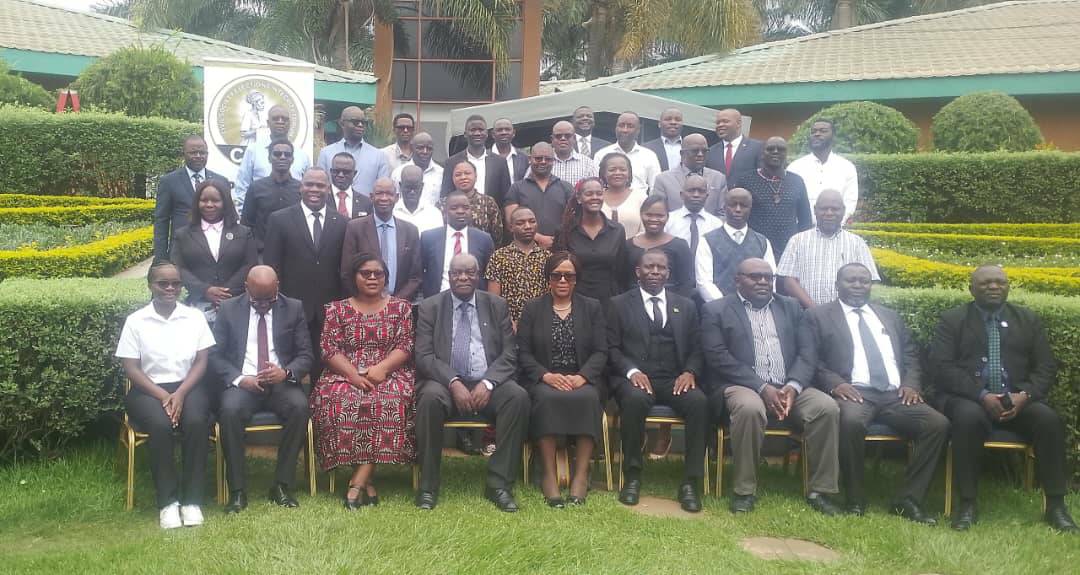
Announced in Lilongwe with promises of tackling political violence, misinformation, and low citizen participation, the platform is the latest addition to an already crowded field of organizations claiming to champion democratic accountability.
But as these familiar names resurface under new banners, one cannot help but ask: why do we keep seeing the same faces starting new initiatives instead of fixing the ones already in existence?
For decades, the same individuals have dominated Malawi’s civil society landscape, constantly rebranding themselves with new platforms while the structural inefficiencies of the sector remain unaddressed.
Instead of strengthening the capacity of existing organizations to deliver tangible results, the trend seems to be one of abandoning old platforms as soon as they lose public trust or donor interest, only to launch new ones with similar mandates. This endless reinvention is more a distraction than progress, creating the illusion of action while delivering very little in terms of real impact.
Take Benedicto Kondowe, the interim chairperson of the newly-formed CSEIF, for instance. Kondowe, like many of his peers such as Gift Trapence who is also in CSEIF, has been a fixture in civil society leadership for years. Yet, despite his involvement in numerous initiatives over time, the challenges he claims to address—lack of transparency, misinformation, and exclusion of marginalized groups—remain pervasive.
His assurances of neutrality and accountability in this latest effort sound no different from the empty promises Malawians have heard time and time again from various organizations. The rhetoric may be polished, but the results have been consistently underwhelming.
At the heart of this problem lies the influence of donor funding. Instead of demanding measurable, long-term outcomes from established CSOs, international donors often divert their resources to flashy new initiatives like CSEIF.
This donor-driven proliferation of platforms has fragmented Malawi’s civil society and diluted its effectiveness, as resources are spread thinly across redundant organizations rather than consolidated into meaningful reforms. The creation of these new entities, often led by the same familiar faces, serves more as a mechanism for securing funding than a genuine attempt to solve the nation’s pressing issues.
The CSEIF claims to amplify the voices of marginalized groups in the electoral process, but such promises are hardly new. Over the years, countless initiatives have made similar pledges with little to show for it. Instead of focusing on sustained engagement and long-term change, these platforms often devolve into politically compromised entities, more concerned with maintaining relevance and securing donor support than addressing the root causes of the problems they claim to tackle.
Malawians have had enough of this cycle of reinvention that offers more style than substance. The resources, energy, and attention directed at launching new platforms like the CSEIF would be far better utilized in reforming and capacitating the many CSOs that already exist.
The country does not lack organizations; it lacks accountability, measurable impact, and a commitment to addressing systemic flaws. Civil society leaders must stop prioritizing their personal legacies over the needs of the citizens they claim to represent.
As the 2025 elections approach, Malawians should demand better from their civil society sector. The endless creation of new organizations is not a sign of progress but a symptom of failure. If the same faces continue to dominate the scene without delivering results, then the real victims will be the ordinary citizens whose voices remain unheard and whose needs remain unmet.
It’s time for civil society leaders and their donors to focus on strengthening existing institutions, prioritizing substance over style, and delivering results over rhetoric. Until then, this endless cycle of recycled promises and hollow initiatives will continue to undermine the country’s democratic progress.
Follow and Subscribe Nyasa TV :