

Punished Without Trial: How Malawi’s Justice System Is Quietly Destroying Lives Through Endless Remand
Across Malawi, a silent crisis is unfolding behind prison walls—thousands of people are being punished without ever being found guilty. They are not serving sentences. They are waiting. And that wait is stretching into years, even decades, exposing a justice system that has normalised delay and turned remand into punishment.
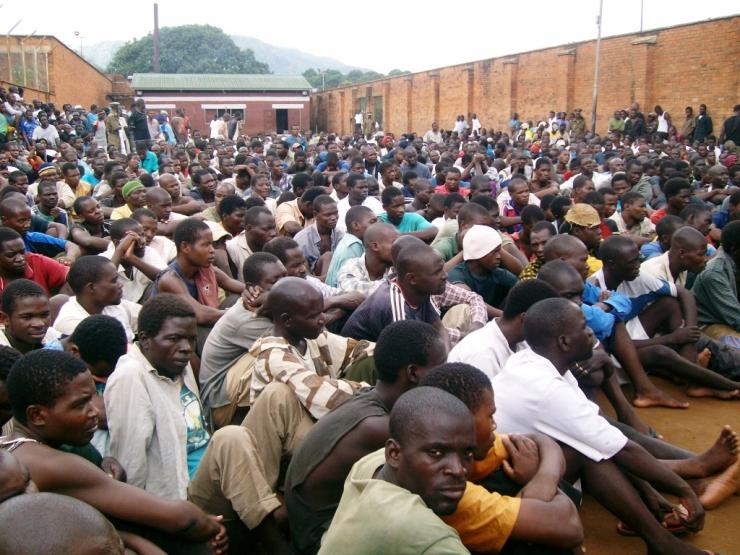
In law, remand is meant to be temporary. In reality, it has become a life sentence by neglect.
At Blantyre Prison, Kalilitu Jimu has been on remand since January 2011.
Fourteen years later, his case has never been concluded.
“I believed the court would hear me and decide my case,” Jimu says. “I never imagined I would grow old here without a trial.”
Every day begins with the same hollow hope.
“You wake up thinking maybe today they will call your name,” he says. “Most days, nothing happens. You just wait.”
That waiting has cost Jimu everything. Both his parents died while he was on remand.
“I was not allowed to attend their funerals,” he says quietly. “People at home now think I must be guilty because I have been here so long—yet no court has ever said I am.”
Jimu is not alone. Prison records show he is among about 600 inmates nationwide who have been on remand for more than five years—all still presumed innocent under the Constitution.
For Yohane Mataka, arrested in November 2011, the story is a cruel loop of postponements.
“They take me to court, then say the file is not ready or the court cannot sit,” he says. “They bring me back to prison. This has happened again and again.”
The damage spread beyond prison walls. His family collapsed.
“My wife waited for years without answers,” Mataka says. “In the end, she remarried. My children grew up without me. Some don’t even recognise me now.”
Stephano Chitsulo was just 21 years old when he was arrested in August 2013.
“I entered prison as a young man,” he says. “I became an adult inside these walls.”
His education ended the day he was arrested.
“I wanted to study and work,” he says. “Instead, I learned how to survive in prison.”
Every adjournment, he says, feels like another invisible sentence.
“No judge has ever sentenced me,” Chitsulo says. “But each postponement feels like punishment.”
This human suffering is mirrored by a system under strain. The Malawi Prison Service says prolonged remand detention is crippling prisons already bursting at the seams.
Spokesperson Steve Meke says about 3,700 inmates are currently on remand, out of a total prison population of nearly 15,000.
“Our resources are overstretched,” Meke says. “Food provision, healthcare and living conditions are compromised. Overcrowding gets worse the longer remandees stay.”
He is clear that prisons are not the root of the problem.
“The solution lies beyond prisons,” Meke says. “We need better coordination between police, prisons and courts, shared case-tracking systems and stronger use of e-courts so cases move within set timelines.”
The law itself agrees. The Prisons Act of 2025 requires remandees to be brought before court as required by law and places a duty on the State to avoid excessive detention and overcrowding.
Yet the law is routinely ignored.
Ministry of Justice spokesperson Frank Namangale admits unresolved cases are the main reason people remain in custody for years.
“When cases are not concluded within reasonable time, accused persons remain in custody,” he says. “This is made worse because bail is not always granted, especially in serious cases.”
He points to familiar problems: too few magistrates, prosecutors and legal aid lawyers, poor infrastructure—especially in rural areas—and massive case backlogs that never seem to shrink.
Human rights groups say these explanations no longer excuse what is happening.
Victor Mhango, Executive Director of the Centre for Human Rights Education Advice and Assistance, calls prolonged remand a quiet national crisis.
“Too many people are being held for months or years without trial, far beyond legal limits,” Mhango says. “This is caused by court backlogs, staff shortages, weak case management and limited access to legal aid.”
The absence of lawyers, he says, is deadly.
“When people don’t have legal representation, they don’t apply for bail or challenge unlawful detention. That is how remand turns into punishment.”
While acknowledging efforts like camp courts and special sittings, Mhango says they are reactive and insufficient.
“What Malawi needs is strict enforcement of custody time limits, stronger legal aid coverage, real coordination between police, prosecution and courts, and serious long-term investment in the justice system,” he says.
What is unfolding in Malawi’s prisons is not just inefficiency—it is injustice. People are losing parents, marriages, education, youth and dignity—not because they were found guilty, but because the system failed to decide.
This is punishment without trial. Guilt by delay. Justice denied, quietly, every day.
And until Malawi confronts this crisis head-on, remand will remain what it has become: a slow, silent sentence for the innocent.
Follow and Subscribe Nyasa TV :