

The Power of Peaceful Protest: Are Demonstrations Still Relevant in Malawi’s Democracy?
Malawi’s democratic landscape has been marked by a long history of peaceful protests, from the transition to multiparty democracy in the 1990s to recent demands for electoral reform. However, with the new government barely 100 days in office, remarks from some ruling party officials dismissing demonstrations have sparked a national conversation about constitutional rights, national stability, and the administration’s approach to dissent.
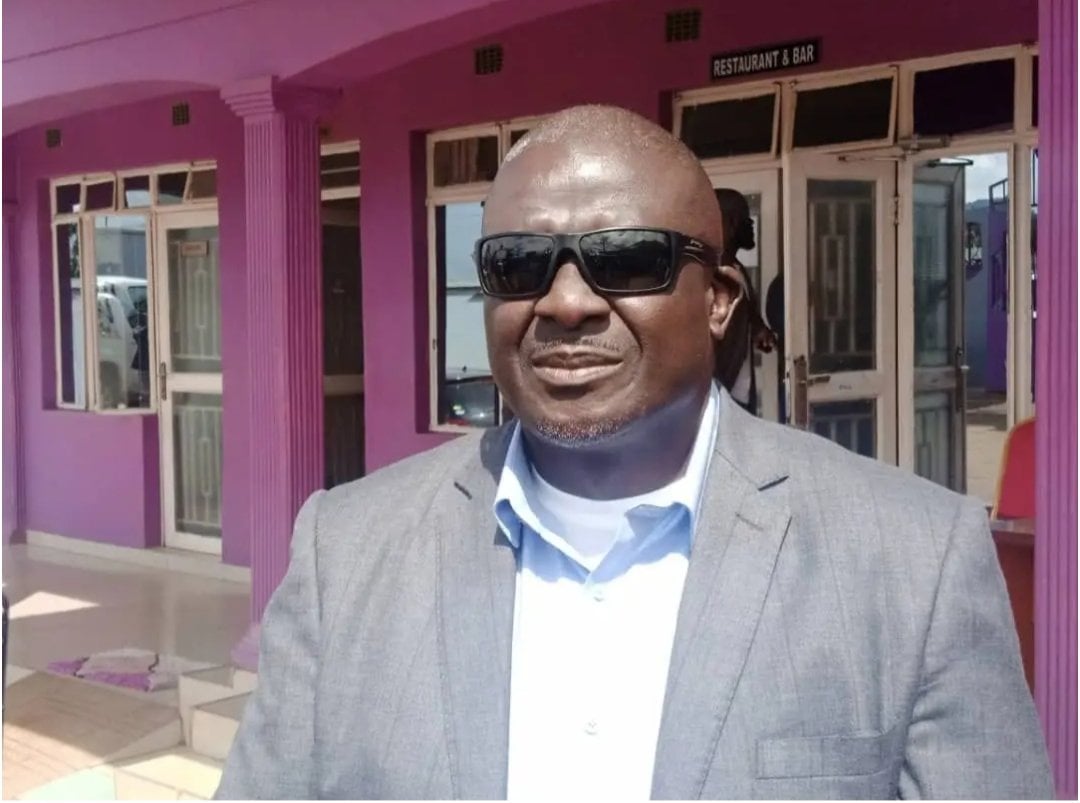
As renowned Governance and Human Rights Advocate, Undule Mwakasungula, observes, the right to peaceful assembly is enshrined in Malawi’s Constitution, and it’s not a privilege granted by those in power. It’s a fundamental right that allows citizens to hold leaders accountable and express their grievances. Thus, Mwakasungula emphasizes the need for the government to respect and protect this right, rather than viewing it as a threat to stability.
But Mwakasungula wonders in his opinion: are demonstrations still relevant in solving Malawi’s challenges? The answer lies in the context. With the new government still settling into power and grappling with complex national challenges, it’s essential to strike a balance between exercising constitutional rights and allowing the administration time to deliver.
Peaceful demonstrations can be a powerful tool for promoting accountability and driving change, but they should not be used carelessly as instruments of political competition or undue regime pressure. Malawians must ask themselves whether the calls for protests are driven by genuine concerns for national progress or other motivations.
The key to progress lies in constructive engagement. The government should open transparent platforms for communication, while citizens should express their concerns responsibly, understanding that rebuilding the nation requires patience and sacrifice.
As Malawi navigates this critical juncture, it’s crucial that leaders demonstrate humility and openness, rather than responding to criticism with hostility or dismissive language. Democracy demands respect for dissenting voices and a willingness to engage in dialogue.
Malawi’s growth and development depend on peace, stability, and institutional strengthening. By working together and prioritizing national progress over partisan interests, Malawians can build a more just and prosperous future for all.
Ultimately, demonstrations are a vital part of Malawi’s democracy, but they should be used judiciously and as a last resort, after exhausting all other avenues of dialogue and engagement. The country needs a culture of responsible activism, patient and committed to finding solutions that benefit all Malawians.
Follow and Subscribe Nyasa TV :