

The Sinecure Question: Are Malawi’s Vice Presidents and Special Offices Really Serving the Nation?
Onjezani Kenani’s recent post raises a question that Malawians have been whispering for years but rarely confront openly: Are our top-tier political offices—especially the Vice President, Second Vice President, and other high-ranking officials—actually fulfilling their duties, or are they essentially paid sinecures?
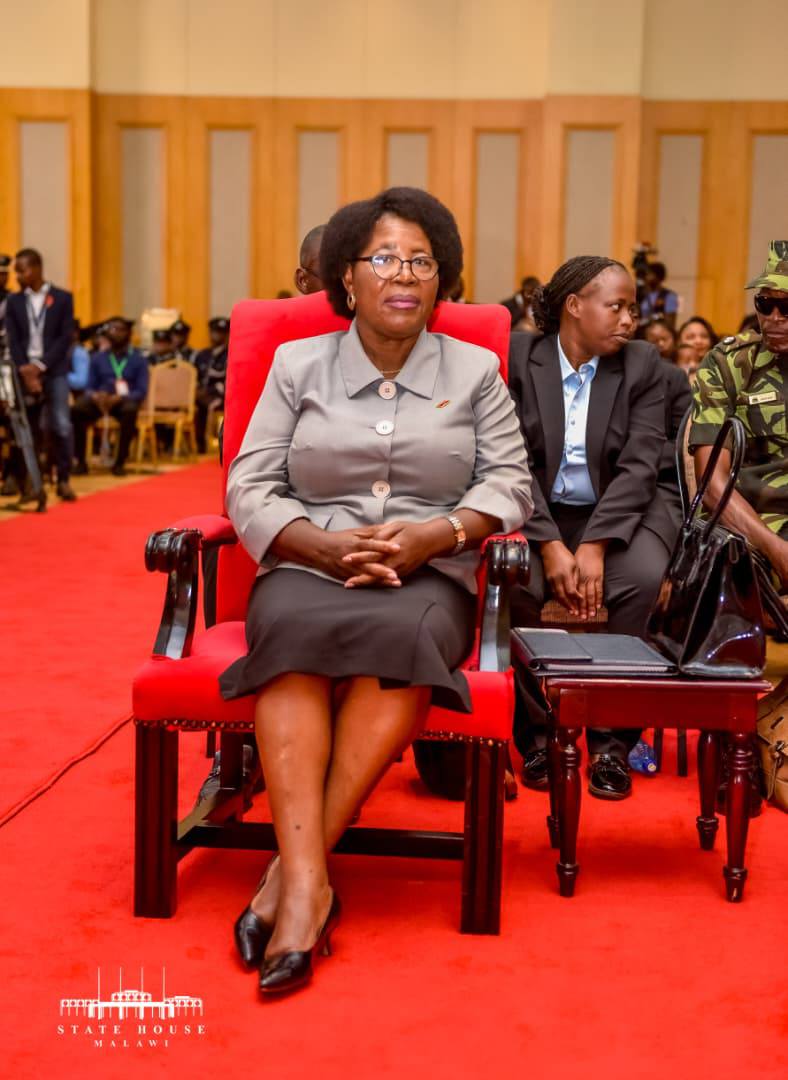 Kenani writes, in simple but cutting language: “Komano kuno n’kumbali, a Vice President ndi a Second Vice President azitani akadzuka m’mamawa? How will they be spending their days to justify the lots of money and privileges they enjoy at the expense of the taxpayer?” It’s a question that strikes at the heart of governance and accountability in Malawi.
At first glance, the Vice President (VP) and Second Vice President (2VP) are meant to serve as key pillars in the executive, assisting the President in steering national policy, overseeing government programs, and taking up leadership responsibilities when the President is unavailable. In practice, however, we have seen a troubling pattern: these offices exist with great pomp, salaries, and privileges, yet the actual roles and responsibilities remain vague or underutilized.
Take the examples Kenani points out: Jane Ansah and Chihana. Both have been given offices, provided with staff, and enjoy all the trappings of high political status. But up to now, neither has been assigned concrete responsibilities. They have infrastructure and visibility but no measurable work output. In bureaucratic terms, this is the classic definition of a sinecure: a position that carries prestige and remuneration but little or no functional duty.
The implications are serious. First, it is a drain on taxpayers’ money. Malawi’s public finances are not limitless, yet enormous sums are being directed toward sustaining these offices while their occupants may spend much of the day idle or waiting for delegated tasks. Second, it erodes public trust. Citizens naturally question why some officials are richly rewarded while the majority continue to struggle with poor services, low wages, and high unemployment. When high offices appear decorative rather than functional, it feeds a narrative of elite self-interest over national interest.
There is also a symbolic problem. The existence of unutilized offices signals a culture where political appointments are given more as rewards or political appeasements than as positions of meaningful responsibility. This is damaging in a democracy that desperately needs leaders who model accountability, diligence, and tangible service.
Kenani’s rhetorical questions—“Just waiting for whatever is delegated to them? Basi? Do we, as a nation, really need these posts or are they just there as sinecures?”—challenge Malawians to reconsider the very structure of their government. It is not just an attack on the individuals; it is a call for structural reform, for clear job descriptions, measurable mandates, and accountability mechanisms for top offices.
Malawi does not need offices that exist merely to provide visibility or status. It needs active leadership, deliberate action, and tangible contributions from every officeholder, especially those at the highest levels. Anything less is not just wasteful; it is a moral failure in governance.
In conclusion, Onjezani Kenani is forcing the country to confront an uncomfortable reality: positions without responsibilities are privileges at the expense of citizens. If Malawi is serious about governance, democracy, and public accountability, it must either clarify and enforce the duties of these offices or reconsider whether such posts are truly necessary. Anything short of that is mere political theatre — expensive, unnecessary, and deeply insulting to the taxpayer.
Follow and Subscribe Nyasa TV :