

“Unfit for Global Traffic”: Jappie Mhango Exposes Shocking State of Malawi’s Airports as Airlines Stay Away
Malawi’s aviation sector has been dealt a blunt and troubling reality check, with Minister of Transport Jappie Mhango admitting that the country’s main international gateways are failing to meet global standards—driving away major airlines and undermining economic growth.
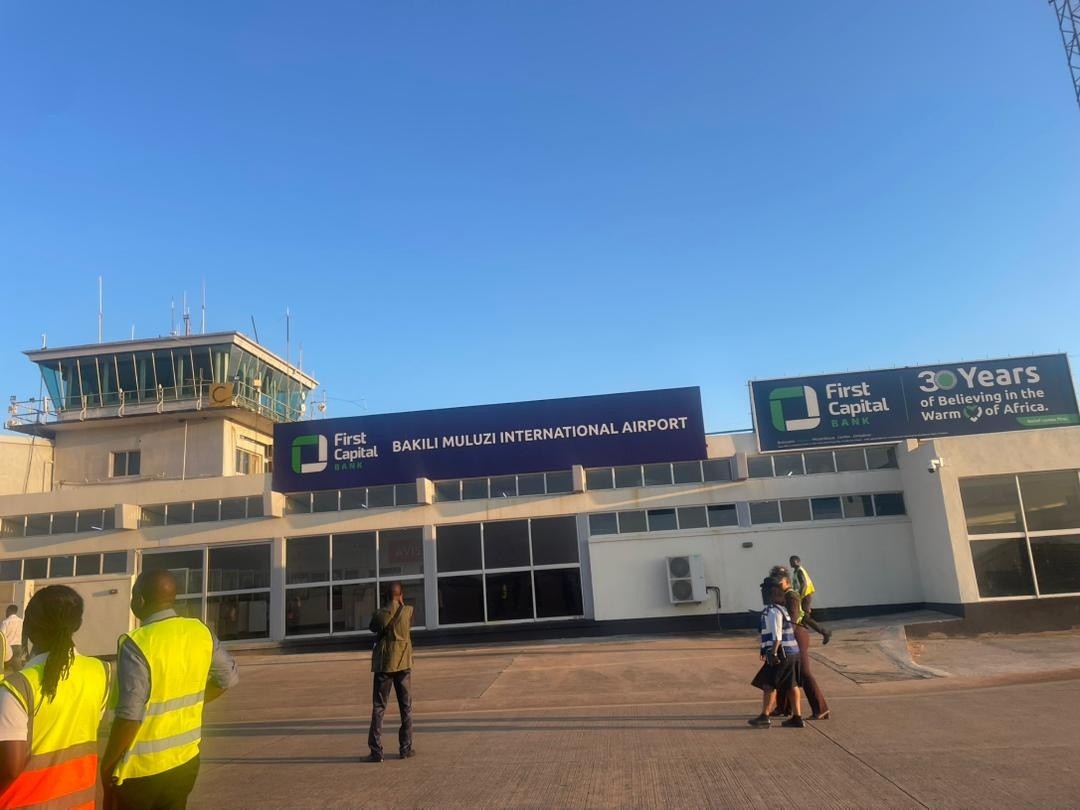
Speaking after inspecting Chileka International Airport, commonly known as Bakili Muluzi International Airport, Mhango revealed that none of the country’s key airports—including Kamuzu International Airport and Mzuzu Airport—are certified to handle top-tier international aviation traffic.
The admission lays bare a systemic failure in infrastructure planning and maintenance, with the consequences now spilling into lost investment, reduced connectivity, and declining confidence from global carriers.
“We don’t have certified airports to attract big airlines like Emirates,” Mhango said in an interview, pointing to glaring deficiencies that paint a picture of neglect.
Among the most alarming issues highlighted are short runways that cannot accommodate large, long-haul aircraft, a lack of perimeter fencing exposing airports to vandalism and security risks, and inadequate firefighting capacity—an essential requirement for international certification.
In aviation terms, these are not minor oversights; they are deal-breakers.
Without meeting minimum safety and operational standards, Malawi effectively locks itself out of the global aviation network, leaving passengers with fewer options, higher costs, and limited direct connections to key international destinations.
The minister’s remarks confirm what industry observers have long warned: that Malawi’s failure to modernize its airport infrastructure is now costing the country dearly.
Major airlines are not just avoiding Malawi—they are choosing better-prepared regional competitors.
To reverse the situation, government says it needs more than $50 million to rehabilitate and upgrade both Kamuzu and Chileka International Airports to meet required standards.
But even this raises deeper questions: why has it taken so long for such critical infrastructure to reach this level of deterioration? And can the country realistically mobilize such funding quickly enough to remain competitive?
Mhango indicated that government will now move to source funds to address the challenges, but offered no firm timelines—leaving uncertainty over when, or if, Malawi’s airports will regain international credibility.
The stakes are high. Airports are not just transport hubs; they are economic lifelines. Without certified, modern facilities, Malawi risks isolating itself from tourism flows, international trade, and foreign investment.
For now, the minister’s candid admission has pulled back the curtain on a crisis that can no longer be ignored—one that demands urgent action, not promises.
Follow and Subscribe Nyasa TV :