

US Leaves World Health Organization, Raising Fears for Global Health
The United States has officially withdrawn from the World Health Organization (WHO), one of the world’s most important health bodies.
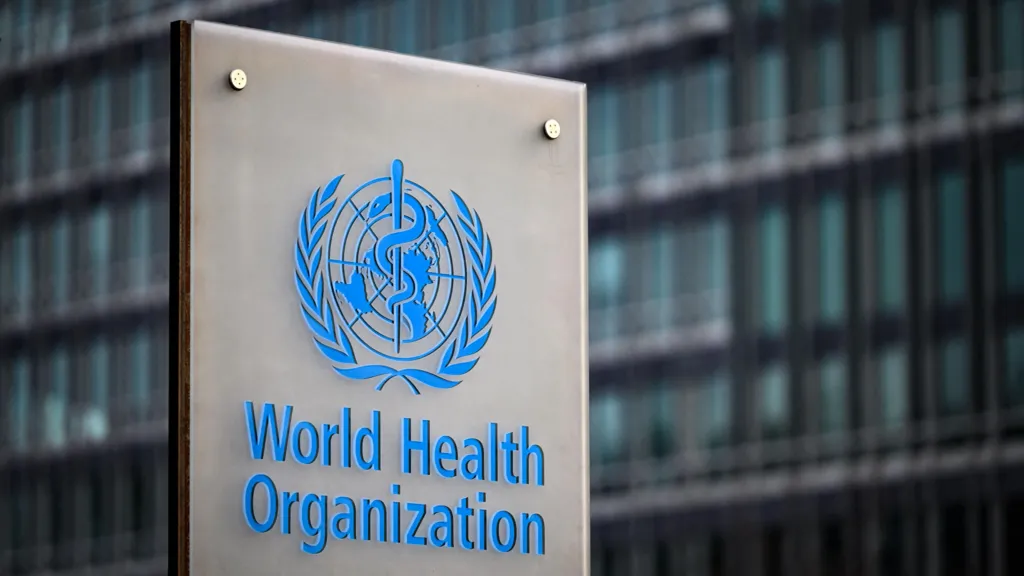
This means the WHO has lost one of its biggest and most powerful supporters and donors.
US President Donald Trump first signed an order to leave the organisation last year, accusing the WHO of being too close to China and mishandling the Covid-19 pandemic.
The US government said the decision was made because the WHO failed to manage the pandemic properly, could not reform itself, and was influenced by politics from member states.
However, the WHO strongly rejected these claims. Its Director-General, Dr Tedros Adhanom Ghebreyesus, said the US decision was a major loss not only for America, but for the whole world.
The WHO pointed out that it plays a key role in fighting deadly diseases such as polio, HIV/AIDS, and in reducing deaths of mothers and babies. It also leads global efforts on tobacco control and emergency disease responses.
After Covid-19, most countries agreed on a global pandemic treaty to help the world prepare better for future outbreaks, including fair sharing of vaccines and medicines. All countries signed the treaty — except the United States.
The US has traditionally been one of the largest funders of the WHO. But it has not paid its membership fees for 2024 and 2025. This has already forced the WHO to cut jobs and programmes.
WHO lawyers say the US still owes about $260 million, but Washington says it will not pay.
The US government has now completely stopped funding the WHO, recalled its staff from WHO offices worldwide, and ended hundreds of health partnerships.
Instead, the US says it will work directly with individual countries, NGOs and faith-based groups on health issues, but it has not clearly explained how this will work.
The WHO has said it still hopes the US will return, warning that cooperation between the US and WHO has saved millions of lives over many decades.
What This Means for Poor Countries Like Malawi
This decision is bad news for poor and developing countries.
1. Less Money for Global Health
The US was one of the biggest funders of WHO. Now that money is gone.
This means:
- Fewer resources for fighting diseases.
- Less funding for vaccination programmes.
- Slower response to outbreaks like cholera, measles, Ebola or Covid.
Countries like Malawi depend heavily on WHO support for:
- Disease surveillance
- Drug supplies
- Training health workers
- Emergency responses
2. Weaker Pandemic Preparedness
If another pandemic happens:
- Poor countries may get vaccines later.
- There may be less coordination.
- Rich countries may act alone and protect themselves first.
Malawi risks being at the back of the queue again.
3. Cuts to Key Health Programmes
WHO supports programmes in Malawi such as:
- Polio eradication
- HIV and TB control
- Maternal and child health
- Nutrition and immunisation
With less money, some of these programmes may be reduced or delayed.
4. Power Shifts to Rich Countries
Instead of working through WHO, the US says it will deal directly with countries.
This means:
- Big countries will choose who to help.
- Poor countries will have less voice.
- Health becomes more political and unequal.
The Bigger Picture
For countries like Malawi, the US leaving WHO means: More risk, less protection, weaker global cooperation, and greater dependence on donors.
In simple terms: When powerful countries abandon global systems, poor countries pay the highest price — in lives, not politics.
The decision weakens the idea that health is a shared global responsibility, and moves the world towards a system where each country fights alone, regardless of who is most vulnerable.
Follow and Subscribe Nyasa TV :