

ANALYSIS | Inside Malawi’s VAT Shake-Up: Why Shops Are Closing, Why Government Is Pushing Hard, and What It Means for Your Money
Something unusual is happening across Malawi. Shop doors are staying closed. Business owners are stepping back from their own counters. Shelves are stocked, but tills are silent.
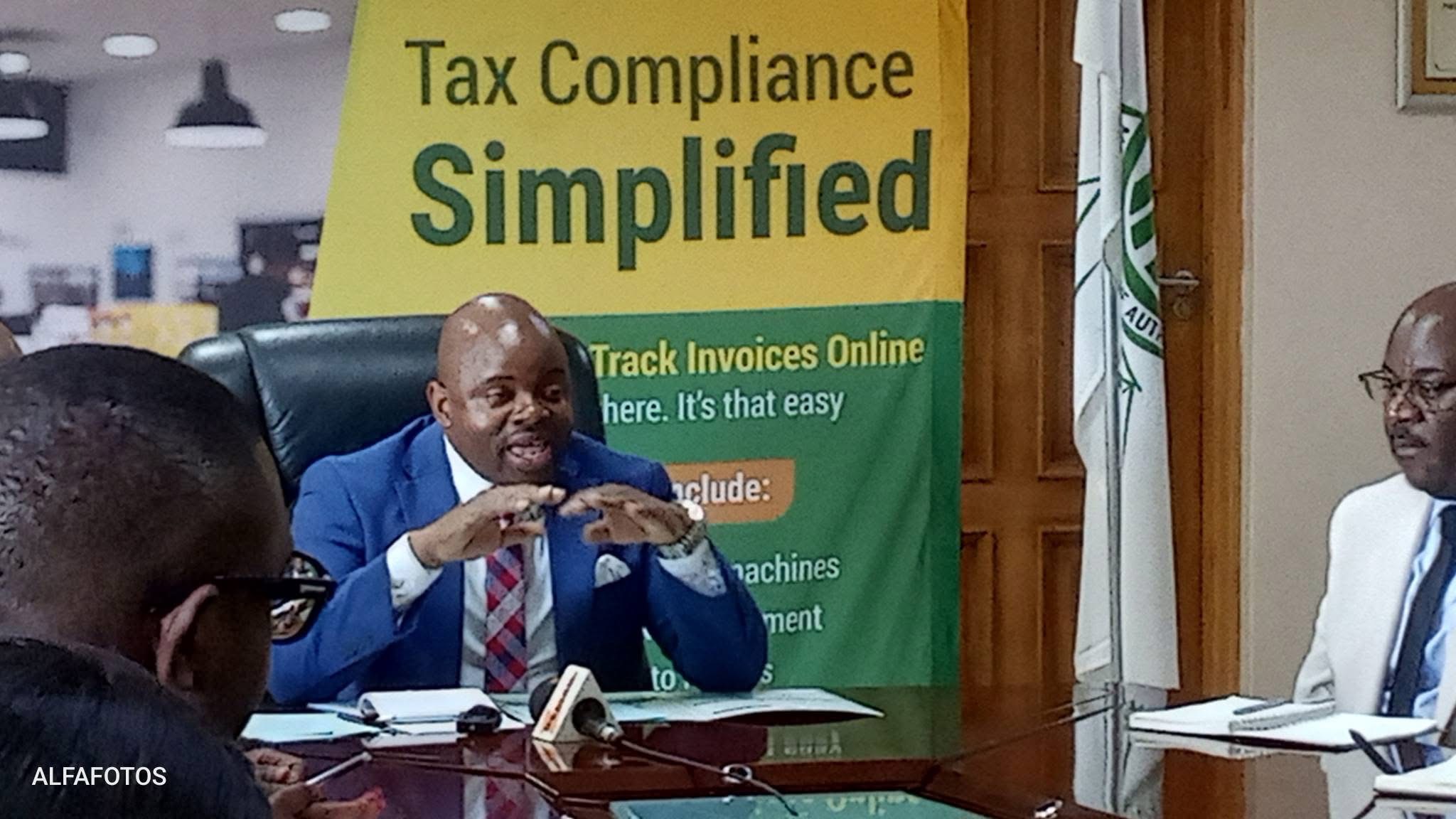
At the centre of this quiet protest is a new system introduced on May 1, 2026—the Electronic Invoicing System (EIS), rolled out by the Malawi Revenue Authority under the direction of the Government.
To understand why this has triggered such a strong reaction, you have to start with a simple but powerful idea: taxes you already pay are not always reaching the government.
The VAT you pay—and where it is supposed to go
Value Added Tax (VAT) in Malawi is now 17.5 percent, up from 16.5 percent. On paper, this is straightforward. If you buy a product priced at MK100,000, VAT adds MK17,500, bringing the total to MK117,500.
You pay that extra amount. The business collects it. Then the business is supposed to pass that VAT to the government.
In theory, this system funds national development. It supports public services. It helps reduce poverty. It is one of the main ways government raises money, with tax revenue projected at about K6.203 trillion and expected to reduce the national deficit to around 9 percent of GDP.
But theory and reality are not the same.
The old system: how VAT was quietly leaking
Before EIS, Malawi relied on the Electronic Fiscal Device system—machines known as EFDs. These were meant to record sales and send data to the tax authority. At first, they looked like a breakthrough. But over time, they became easy to bypass.
The weaknesses were many, and they were serious.
EFDs depend heavily on electricity and internet. In a country where power cuts and network problems are common, this created gaps—long periods where transactions could go unrecorded. Businesses could simply operate “offline” and later choose what to declare.
The machines themselves are physical devices. They break. They overheat. They fail. When they stop working, businesses often switch to manual receipts, which are much harder to track.
Even worse, the system allowed behaviour that quietly drained government revenue.
Some traders simply did not issue receipts at all. If a customer did not insist, the sale never entered the system. That meant the VAT paid by the customer stayed with the seller. Others under-declared. A customer might pay MK50,000, but the system records MK30,000. On paper, everything looks compliant. In reality, tax is being quietly stolen.
Then there were deliberate “technical failures”—machines switched off during busy hours, SIM cards removed, connections cut—only to be restored later. Add to this the high cost of buying and maintaining EFD machines, and many small businesses resisted fully adopting them.
The result was a system that looked strong, but was deeply porous.
Enter EIS: A system designed to close every gap
The Electronic Invoicing System is not just an upgrade. It is a complete reset.
Unlike EFDs, EIS does not rely on standalone machines. It is a digital system integrated directly into business software and connected in real time to the tax authority. At the heart of it is what experts call a “clearance model.”
Here is what that means in simple terms.
When a business creates an invoice, it is first sent to the tax authority system. The system checks it—verifying the details, confirming the tax calculation, and ensuring everything is correct. Only then is the invoice approved, digitally signed, and sent to the customer. A copy is stored both by the business and the tax authority.
Every step is recorded. Every transaction is locked. Nothing can be altered later. This process happens in five stages: generation, validation, digital signing, delivery, and archiving. But what matters most is this: the government sees the transaction as it happens.
That changes everything.
Why government is pushing so hard
The promise of EIS is simple: close the backdoor.
With this system, a business cannot easily hide sales. It cannot claim VAT refunds on fake invoices. It cannot duplicate transactions or manipulate records after the fact. The system also improves accuracy. It reduces human error. It ensures correct tax rates are applied. It even allows the tax authority to pre-fill VAT returns, making compliance easier and more consistent.
In short, it moves Malawi closer to something it has long struggled with—high tax compliance, potentially above 95 percent.
For a country trying to reduce debt, manage deficits, and fund development, that matters.
So why are businesses resisting?
This is where the story becomes uncomfortable.
For some business owners, EIS removes flexibility. But for others, it removes opportunity—the opportunity to under-report, to delay, or to avoid tax altogether. The truth is, under the old system, some businesses were keeping money that did not belong to them—money already paid by customers as VAT.
From that perspective, the resistance begins to look less like protest and more like pushback against transparency. Of course, not all concerns are dishonest. Some businesses worry about costs, system readiness, and adaptation challenges. These are real issues that need addressing.
But they do not fully explain why shops would close.
What this means for ordinary Malawians
For the average citizen, this is not just a technical change. It is personal. Every time you pay VAT, you are contributing to the country. You are funding roads, hospitals, schools, and services. If that money is not reaching government, then you are paying more—but getting less.
EIS is an attempt to fix that imbalance.
The bigger picture
What is unfolding is more than a tax reform. It is a test of governance. Can Malawi enforce rules equally? Can it protect public revenue? Can it move from a culture of loopholes to a culture of accountability?
The tension we are seeing now is part of that transition.
Conclusion: A painful shift, but a necessary one
The closure of shops tells you something important. Change is happening—and it is being resisted. But behind the noise, the direction is clear.
The Electronic Invoicing System is not just about technology. It is about trust. It is about ensuring that when citizens pay tax, that money actually serves its purpose. For years, the system allowed too much to slip through. Too many gaps. Too many excuses.
EIS is designed to end that.
And if it succeeds, it will not just increase revenue. It will redefine how Malawi collects, manages, and protects the money of its people.
That is why this fight matters.
Follow and Subscribe Nyasa TV :