

ANALYSIS | The Subtext of Cancelling July 6 Celebrations: Fiscal Austerity or Presidential Fragility?
When the Malawian government announced the suspension of the 2026 Independence Day celebrations, the move was couched in the language of fiscal discipline. Yet, as the dust settles on the July 6 anniversary, the narrative of “austerity” is increasingly viewed by critics as a thin veneer for a more pressing reality: the physical frailty of President Arthur Peter Mutharika and the logistical impossibility of maintaining the traditional pageantry of the state.
The Austerity Paradox
The administration’s call for fiscal prudence stands in stark contrast to its internal governance decisions. While the state cites the need to preserve public coffers, it concurrently moved to establish the office of a Second Vice President, appointing Enoch Chihana in October 2025. Critics argue that this expansion of the executive branch is less about governance and more about political convenience—a means to shore up a fragile coalition between the Democratic Progressive Party (DPP) and the Alliance for Democracy (AFORD).
The contradiction is further highlighted by the President’s own travel patterns. Since October 2025, President Mutharika has undertaken multiple private trips to South Africa, reportedly utilizing chartered private jets—an expenditure that stands in direct opposition to the government’s purported “austerity” drive. For a citizenry struggling with high inflation and economic instability, the optics of private, high-cost travel versus the cancellation of a unified national celebration are increasingly difficult to reconcile.
A Presidency Under Scrutiny
The skepticism surrounding the July 6 cancellation stems from a growing observation of the President’s public performance. Analysts point to a recurring pattern:
-
The Physical Toll: Independence Day celebrations demand high-energy, public-facing stamina, including long periods of standing and physical navigation of the stadium. For an octogenarian leader, these requirements are not merely ceremonial—they are physically taxing.
-
Delegated Authority: There is a growing public sentiment that the President has shifted into a “delegate-heavy” leadership style, with ministers assuming the bulk of public-facing duties.
-
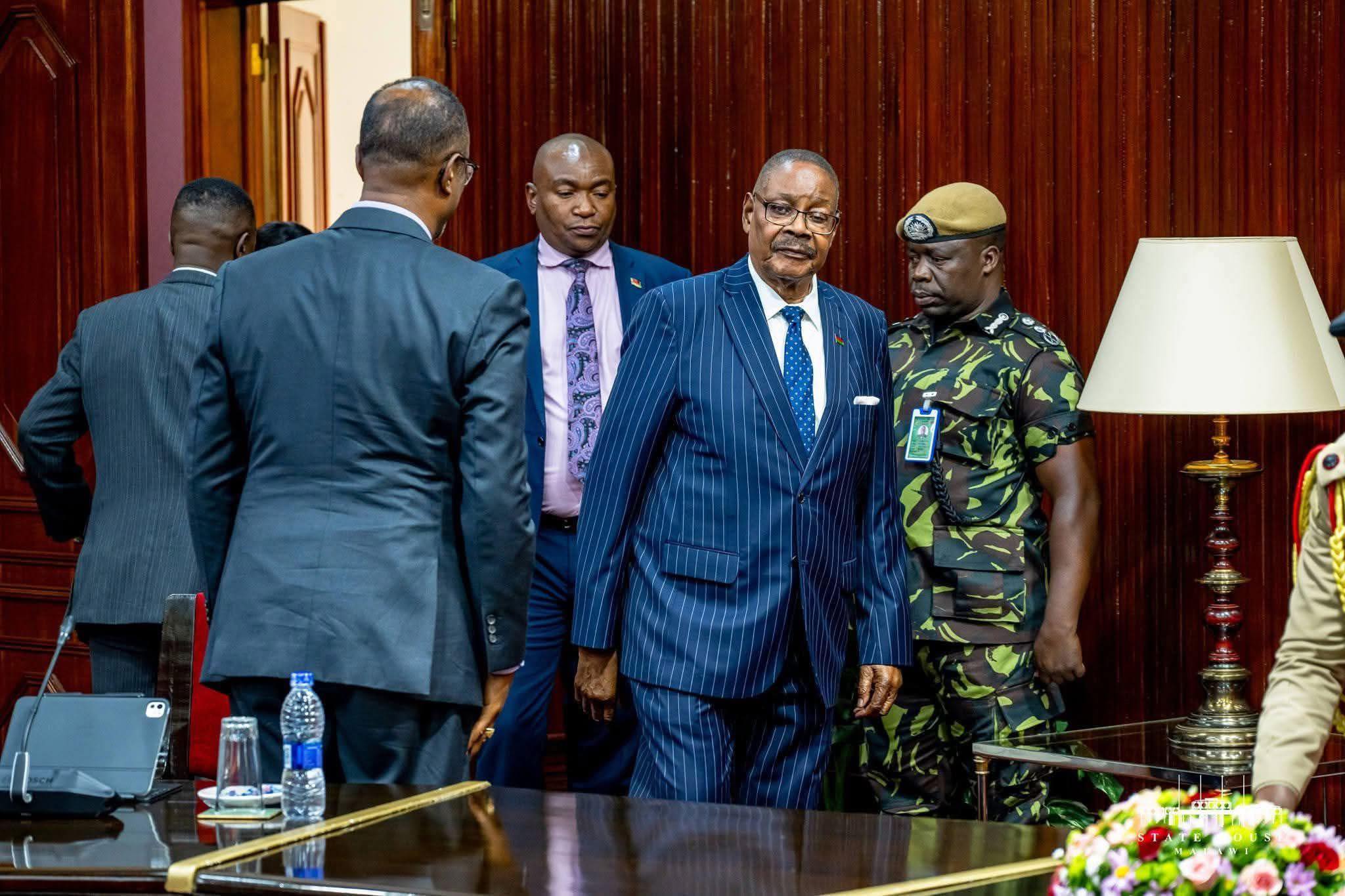
The “Polished” Presence: The President is now rarely seen in unscripted, real-time public environments. His appearances are increasingly confined to highly produced, edited videos originating from the State House, raising questions about his current health and ability to withstand the unedited, unpredictable nature of national gatherings.
-
The SONA Benchmark: This year’s State of the Nation Address (SONA) was noted for its brevity. Observers interpreted the unusually short delivery as a physical necessity, suggesting that the President is no longer equipped to endure the marathon sessions often required at national events.
Conclusion: A Strategic Pivot?
The government’s decision to replace Independence Day with a “National Thanksgiving and Supplication Programme” may be less about saving the national budget and more about managing the inevitable “national embarrassment” that might arise should the President be unable to complete the duties expected of him on a grand stage.
By neutralizing the physical requirements of the day, the administration secures the President’s absence from a venue where his fragility might be exposed. As the disconnect between the government’s stated fiscal policy and its actual spending grows, the “austerity” narrative is being rapidly replaced by a more uncomfortable inquiry: Is the government prioritizing the nation’s economy, or is it prioritizing the image of a leader who is physically unable to lead?