

Kamuzu remembered with mixed feelings: Independence hero turned tyrant of Malawi
Family members of the country’s founding president the late Hastings Kamuzu Banda and officials from Malawi Congress Party (MCP) on Thursday May 14, Kamuzu Day public holiday, honoured Kamuzu by laying wreaths at his mausoleum in the capital city while there were mixed feelings among citizens and analysts about his legacy.
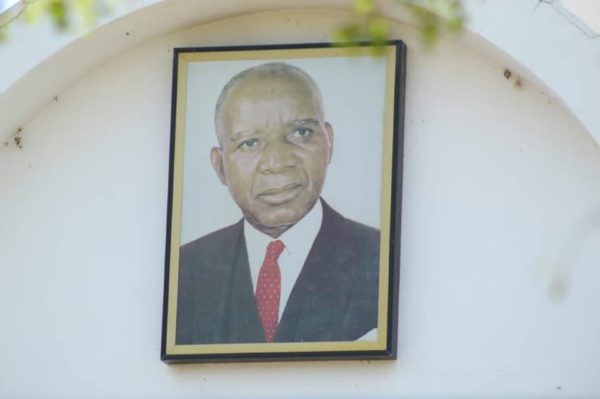
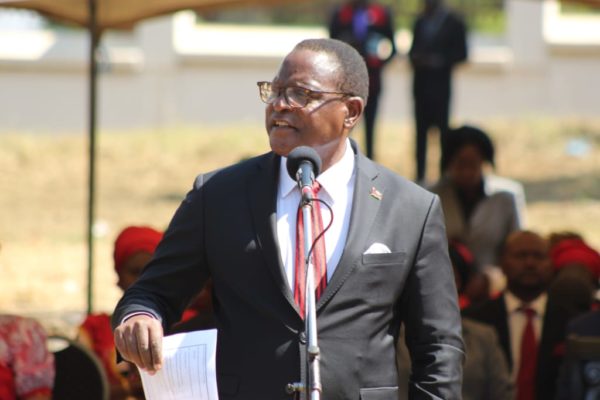
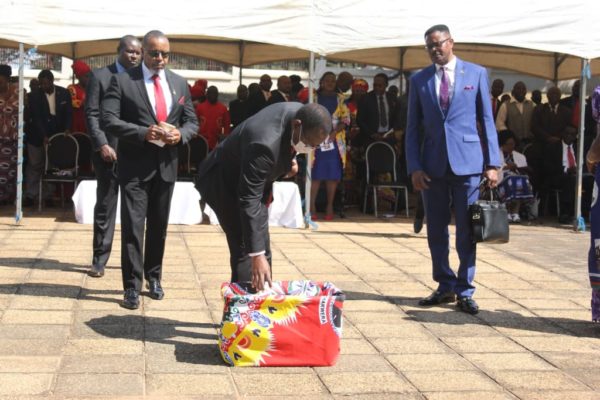

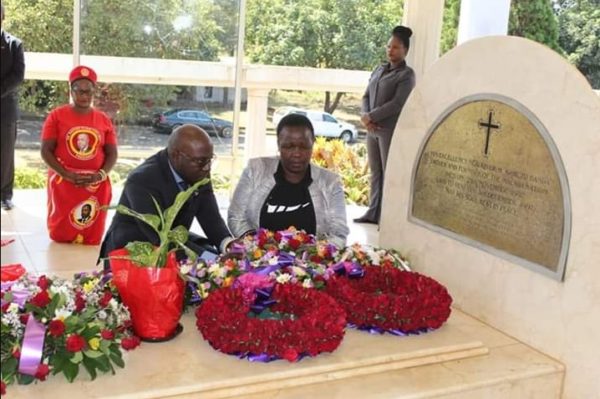
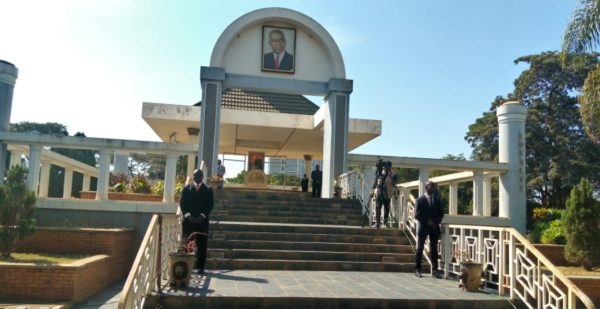
MCP presidential candidate Lazarus Chakwera led the honour of Kamuzu but there was no official representation from government apart from the country’s enstrange vice-president Saulos Chilima, who is running mate to Chakwera in the fresh presidential elections on MCP ticket.
Kamuzu—ruled Malawi under the one-party dictatorship from 1964 to 1994— was lauded by Chakwera at the memorial as “visionary leader” who developed the nation.
A cross section of Malawians who Nyasa Times interviewed, mostly the older generation, remembered Kamuzu as the “ruler” who banned women from wearing trousers or mini-skirts. He prohibited kissing in public. He ordered haircuts for long-haired tourists. He censored the mail, jailed his opponents, declared himself President-for-Life and ruled Malawi for three decades until the age of 96, when his countrymen finally wearied of his totalitarian reign.
A historian Mbiri Banda told Nyasa Times that: “in history, we look at three variables to determine the historicity of an event, a person, or just anything worth the study. One, society; two, change; and, lastly, time. In other words, history studies changes in society for a given period of time.
“In taking a historical analysis of Hastings Banda, our focus need not stray: We must ask if, in thirty one years, our society experienced any considerable change, either negatively or positively.”
He continued: “In answering this question, we will, depending on which angle one takes, be able to, at long last, vilify Hastings Banda as worth a holiday or revere him with a deserved glory.
“For me, Hastings Kamuzu Banda doesn’t deserve reckon of special historical mention besides being remembered as one of the people that, at a specific period in history, served Malawi as a Head of State. Compared to most first generation leaders of once Third World countries—for the Asian Tigers, there was literally nothing extraordinary about Hastings Banda’s leadership.”
Kamuzu was an eccentric medical doctor who called himself Ngwazi (“the conqueror”) and founded an Eton-style academy to teach Latin and Greek to his people.
He is seen as the founder of Malawi because he was its ruler when it gained independence from Britain in 1964. He even coined the country’s name. Yet under his rule, thousands of innocent people were jailed, exiled or killed.
“He built hospitals, schools, universities – it’s all because of him. The roads you travel, the development that you see in Malawi today – it’s all because of this man,” remarked one MCP supporter Chiyambi Chilemba.
“Yes, he was a dictator,” she said. “But it was an era of dictators. To err is human.”
“Most of the atrocities in that time were actually done by people around him,” she added. “When he was angry, he would say, ‘I don’t like this person, remove him.’ People would misinterpret it and torture the person and jail him.”
Banda became the first president for Malawi on July 6 1964 when the country attained independence.
In 1994, Bakili Muluzi defeated him in the first multiparty general election.
Kamuzu died on November 23 1997.
Follow and Subscribe Nyasa TV :