Lindian Resources Limited says construction works at the Kangankunde Rare Earths Project in Balaka are progressing steadily, with the company maintaining its target of starting production before the end of 2026.
Komur
The project, which is one of Malawi’s most closely watched mining investments, is expected to place the country among Africa’s emerging suppliers of rare earth minerals — strategic resources that are increasingly critical in electric vehicles, renewable energy systems and modern technology manufacturing.
In an update released through the Australian Securities Exchange, Lindian said major works are advancing across key areas of the project, including the processing plant, supporting infrastructure and mining operations.
According to the company, civil works for the processing plant have already started and construction activities are moving according to schedule.
Lindian says it expects front-end commissioning of the mine to begin in October 2026, with practical completion targeted for mid-November the same year.
This means Malawi could officially begin producing rare earth minerals commercially by the final quarter of 2026.
The development is significant because it would mark another major mining operation becoming active in Malawi at a time when government is pushing the mining sector to become a key driver of economic growth, foreign exchange generation and industrial development.
Rare earth minerals are highly valuable globally because they are essential in manufacturing advanced technologies such as electric vehicle motors, wind turbines, smartphones, military equipment and renewable energy infrastructure.
The Kangankunde project is particularly attracting global attention because of its high-grade deposits of dysprosium and terbium — rare earth elements considered critical in the global transition to clean energy technologies.
Industry experts say demand for these minerals is rising rapidly as countries move away from fossil fuels and invest heavily in electric vehicles and renewable energy systems.
Currently, China dominates much of the global rare earth supply chain, meaning countries in Europe and North America are increasingly searching for alternative suppliers.
This is where Malawi’s Kangankunde project could become strategically important.
If production begins as planned, Malawi could position itself as part of the alternative global supply chain for rare earth minerals, potentially attracting more international investment into the mining sector.
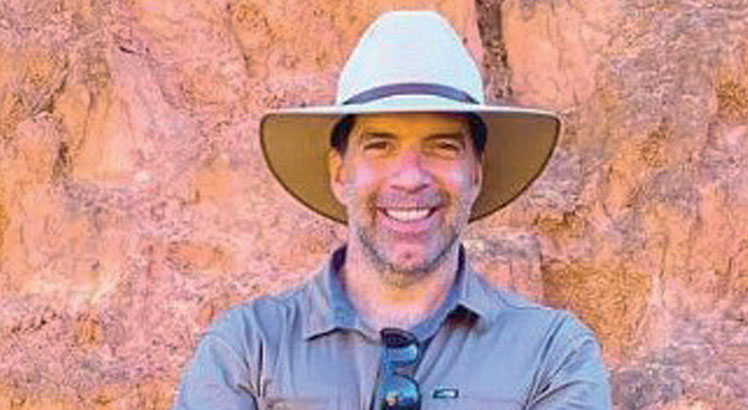
Zac Komur described the latest progress as evidence that the project is maintaining strong momentum.
He said works on the processing plant, haul roads and electricity infrastructure were among the key milestones already achieved.
“The team remains focused on safe delivery, disciplined execution and ensuring the project is operationally ready ahead of commissioning,” Komur said.
Earlier this year, Lindian secured 100 million US dollars — approximately K180 billion — from investors to finance the project.
The funding arrangement allows the company to develop the mine without taking on debt, with future expansion expected to be financed through revenue generated from operations.
Mining and economic experts say the project could become an important source of foreign exchange for Malawi, which has long struggled with chronic forex shortages affecting imports, fuel supply and industrial production.
Grain Malunga said the progress reflects years of preparation and development work.
“It is pleasing that they will soon start generating foreign exchange for the country,” he said.
Geoscience expert Ignatius Kamwanje said Kangankunde’s mineral deposits are considered among the highest quality globally, potentially placing Malawi in a strategically competitive position in the international rare earth market.
According to feasibility studies released by the company, the mine is projected to generate about 114 million US dollars — approximately K205 billion — annually over an estimated 40-year lifespan.
Production is also expected to increase significantly over time, from 15 000 metric tonnes to 50 000 metric tonnes annually.
The Malawi Government is projected to earn at least 5.56 million US dollars — around K10 billion — every year in royalties alone, excluding additional income from taxes and other mining-related revenues.
However, while the project presents major economic opportunities, analysts say the real long-term test will be whether Malawi can translate its mineral wealth into broad national development through transparency, value addition, infrastructure growth, job creation and responsible management of mining revenues.
Follow and Subscribe Nyasa TV :
Follow us in Twitter
One reply on “Kangankunde Rare Earth Mine Moves Closer to Production as Malawi Eyes Major Mining Breakthrough”