

Malawi Records 482 Suicide Cases in Nine Months, Experts Call for Urgent Mental Health Support
Malawi has recorded a troubling rise in suicide cases this year, with 482 people having taken their own lives between January and September alone, according to statistics released by the Malawi Police Service. The figure—described by mental health professionals as “deeply alarming”—highlights a growing national crisis that remains widely unspoken and heavily misunderstood.
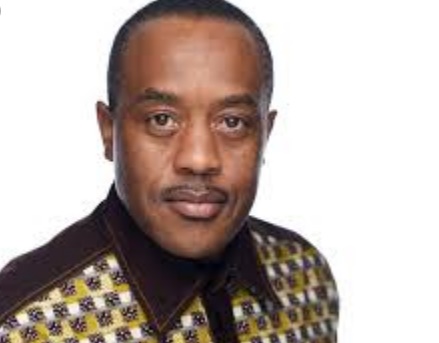
Deputy National Police Spokesperson, Alfred Chinthere, confirmed the numbers in an interview with Nyasatimes this morning, revealing that 415 of those who died by suicide were men, while 67 were women. The disparity has once again drawn attention to the silent emotional struggles many men carry in a society where expressing vulnerability is often seen as weakness.
Although suicide has long been a public health concern in Malawi, the sharp rise over such a short period is raising urgent questions about how the country is addressing mental health challenges, economic hardships, joblessness, social isolation, and the cultural pressures that force people to suffer in silence.
Mental health expert Dennis Mwafuriwa says the spike points to a lack of public knowledge on how to cope with emotional distress and personal crises. He notes that many people are facing overwhelming financial stress, relationship breakdowns, and grief, but do not know where to seek help or how to manage these emotional burdens.
“The challenge is that many Malawians lack information on how to handle difficult life situations. People are carrying too much pain alone. This is why awareness and practical skill-building on how to cope with stress are crucial,” Mwafuriwa explained.
Meanwhile, clinical psychologist Dr. Chiwoza Bandawe from the College of Medicine says the problem is especially severe among men because cultural expectations discourage them from discussing emotional struggles or admitting they need help.
“Men are socialized to hide their feelings, to appear strong even when they are falling apart inside. We must encourage men to talk about what they are going through,” Bandawe said.
“If we do not create safe emotional spaces—support groups, open conversations, community check-ins—we will continue losing fathers, brothers, husbands, and young men who feel they have nowhere to turn.”
Mental health advocates say the numbers represent real families in mourning and communities trying to make sense of tragedy. Behind every statistic is a story—a life that once held dreams, people who cared, moments of laughter, and connections now painfully broken.
Across the world, suicide prevention strategies emphasize early intervention, therapy availability, community awareness, and crisis support lines. In Malawi, however, access to professional mental health services remains limited, especially in rural areas. With only a small number of practicing psychologists nationwide, the burden of emotional support often falls on family members and community leaders who may lack training.
As the country absorbs the shock of these figures, experts are urging government, civil society, religious institutions, workplaces, and families to treat mental health as a priority—not a taboo.
If you or someone you know is struggling:
- Talk to a trusted friend or family member
- Seek counseling at your nearest health facility
- Do not face the burden alone
Because silence is not strength. And asking for help is not weakness—it is survival.
Follow and Subscribe Nyasa TV :