

Navicha Reaffirms Government Commitment to Albinism Rights as Malawi Marks International Albinism Awareness Day
Minister of Gender, Children, Disability and Social Welfare Mary Navicha has reaffirmed government’s commitment to protecting the rights, safety, and dignity of persons with albinism, outlining measures aimed at improving inclusion, education, healthcare, and economic empowerment.
Navicha made the remarks as Malawi joined the rest of the world in commemorating International Albinism Awareness Day on June 13, 2026.
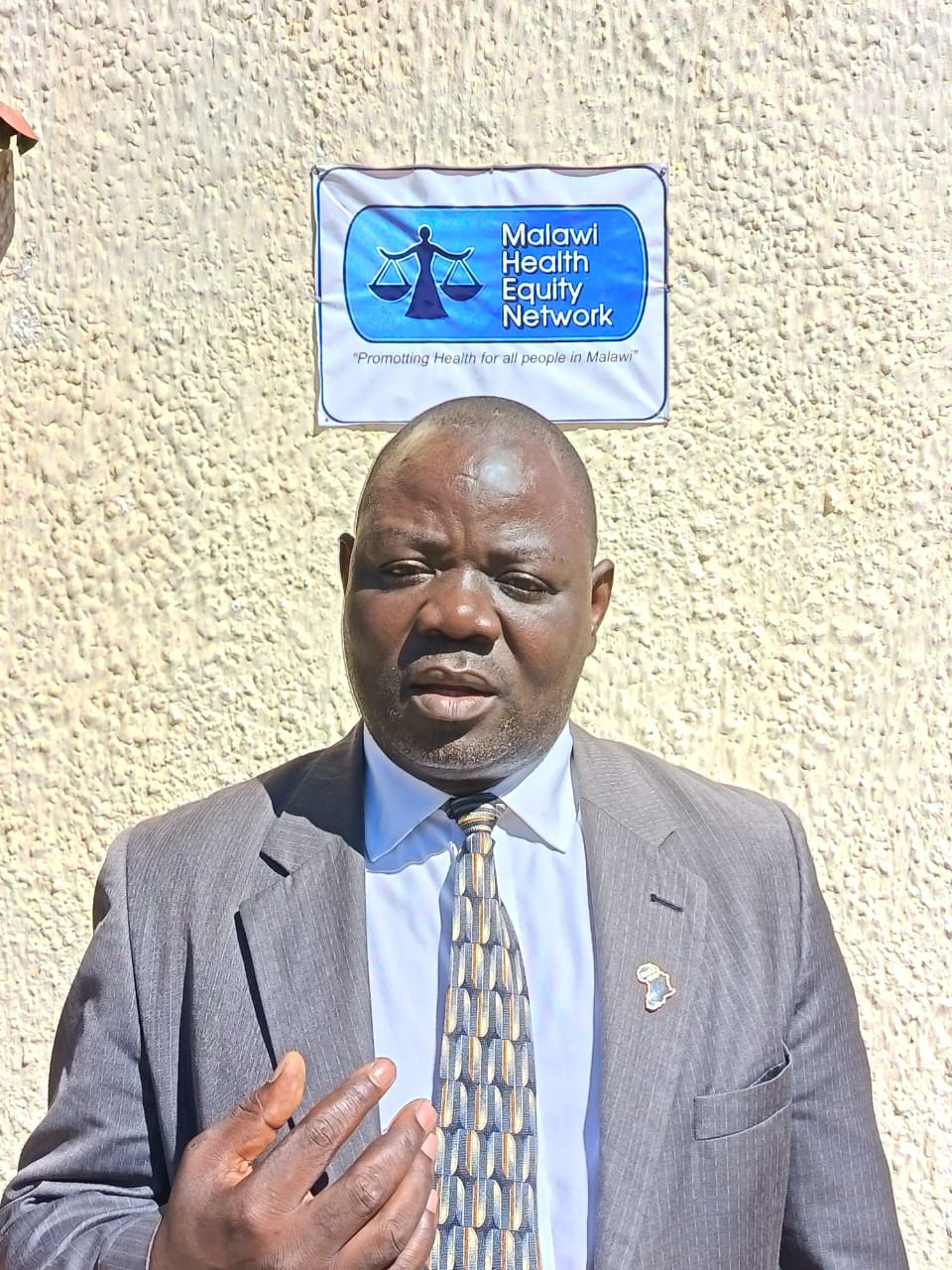
Her response followed a joint statement issued by the Malawi Health Equity Network (MHEN) and the Association of Persons with Albinism in Malawi (APAM), which reaffirmed their commitment to advancing the rights and well-being of persons with albinism.
Welcoming the statement, Navicha said government remains fully committed to ensuring that persons with albinism enjoy equal rights and opportunities.
“We welcome the statement issued by MHEN and APAM on the commemoration of International Albinism Awareness Day 2026 and your commitment to promoting the rights, dignity, safety, and well-being of persons with albinism. As Government, we remain fully committed to protecting and promoting the rights and welfare of persons with albinism,” she said.
Among the key interventions highlighted by the minister is the allocation of K2 billion through the Disability Trust Fund to support disability inclusion programmes across the country.
The fund is expected to finance initiatives aimed at improving access to essential services, assistive devices, and livelihood opportunities for persons with disabilities, including persons with albinism, who often face unique health and social challenges such as skin cancer risks, visual impairments, discrimination, and social exclusion.
Navicha also cited government’s free education initiatives as an important tool for expanding opportunities for persons with disabilities.
“Free education initiatives are helping to ensure greater access to learning opportunities for persons with disabilities, including persons with albinism,” she said.
For many persons with albinism, access to education has historically been hindered by stigma, safety concerns, and inadequate support for low vision. The minister said government is working to remove these barriers and promote greater participation in education.
She further emphasized that addressing challenges affecting persons with albinism requires a coordinated approach involving multiple sectors.
According to Navicha, her ministry is strengthening collaboration with the Ministry of Homeland Security, Ministry of Health, Ministry of Labour, development partners, non-governmental organizations, and international agencies to address issues ranging from security and protection to healthcare, employment, and social inclusion.
“As the ministry responsible for disability and inclusion issues, we are championing efforts that promote their safety, health, education, and socio-economic empowerment,” she said.
Looking ahead, Navicha pledged that government will continue expanding employment opportunities for persons with albinism, improve access to support programmes and essential services, and ensure their meaningful participation in national development.
“Going forward, we are committed to expanding employment opportunities for persons with albinism, improving access to essential services and support programmes, and ensuring that they are fully included in national development. Together, we can build a Malawi where every person with albinism lives with dignity, security, and equal opportunity,” she said.
MHEN Executive Director George Jobe welcomed the minister’s response, describing it as encouraging and assuring that it would be shared with MHEN and APAM members.
“I will share your encouraging detailed message with our board and network members,” Jobe said.
International Albinism Awareness Day is observed annually on June 13 following its establishment by the United Nations to raise awareness about albinism and combat discrimination, stigma, and violence against persons with albinism.
In Malawi, the commemoration carries particular significance due to past attacks and killings linked to harmful myths and beliefs surrounding albinism. Over the years, government, civil society organizations, and development partners have worked together to strengthen protection mechanisms, prosecute offenders, and promote public awareness and acceptance.
With K2 billion now earmarked for disability inclusion programmes and renewed commitments on education, employment, and social protection, Navicha’s message signals a growing recognition that albinism inclusion is not only a human rights issue but also a critical development priority.
As Malawi marks this year’s International Albinism Awareness Day, attention will now turn to how these commitments translate into tangible improvements in safety, health outcomes, education, and economic opportunities for persons with albinism across the country.
Follow and Subscribe Nyasa TV :