The Malawi High Commission in South Africa was forced into emergency intervention after South African authorities impounded a dangerously overloaded Malawian bus, leaving more than a hundred passengers—including children—stranded far from home in a glaring case of cross-border transport recklessness.
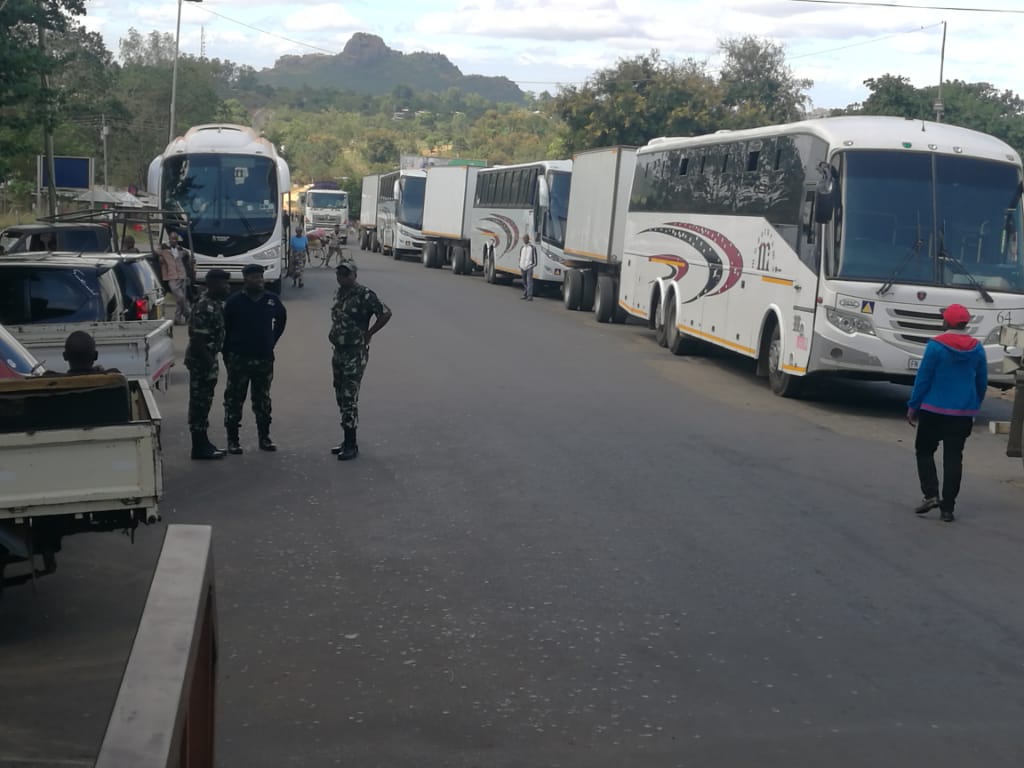
Buses hired to repatriate Malawians stranded in South Africa
The incident occurred on 18 December in Polokwane, Limpopo Province, where traffic officers stopped the bus as it travelled from Johannesburg to Malawi. What followed exposed a level of negligence that has reignited questions about passenger safety, enforcement and accountability in Malawi’s cross-border transport industry.
In a statement released on Monday, Malawi’s High Commissioner to South Africa, Stella Ndau, confirmed that the bus—licensed to carry 65 passengers—was found transporting an astonishing 117 people. These included 101 adults, 15 minors and a single driver, more than 80 percent above its legal capacity.
The bus was immediately impounded, and the driver was arrested on the spot for violating South African traffic regulations. He later appeared in court, while the vehicle remains in police custody pending further legal processes.
With the bus seized and no contingency plan in place, passengers were left stranded, vulnerable and uncertain of how they would complete their journey home. It was at this point that the Malawi High Commission stepped in, coordinating alternative transportation arrangements to ensure the affected Malawians could continue their travel.
Ndau said the Mission engaged the bus owner and the Malawi Bus Association to establish the circumstances that led to the incident and to explore remedial measures for the stranded passengers. She stressed that the High Commission’s priority was the immediate welfare of Malawians caught up in the ordeal.
However, the episode has cast a harsh spotlight on the conduct of some cross-border transport operators, whose pursuit of profit continues to put lives at risk. Transport experts warn that extreme overloading not only compromises vehicle stability and braking but also magnifies the risk of mass fatalities in the event of an accident.
The presence of 15 minors among the passengers has further intensified criticism, with child rights advocates questioning how such conditions were allowed in the first place and whether sufficient safeguards exist to protect vulnerable travellers.
“This was a disaster waiting to happen,” said one Malawian community leader in Johannesburg. “If that bus had crashed, we would be talking about a mass grave, not a traffic offence.”
The incident has also raised concerns about regulatory oversight on the Malawian side, including whether such buses are properly inspected before departure and what sanctions, if any, await operators who repeatedly flout safety rules.
While the High Commission’s swift intervention spared passengers from prolonged hardship, critics argue that diplomatic rescue missions should not become a substitute for strict enforcement and responsible business practices.
As Malawians continue to rely heavily on cross-border buses for trade, family visits and survival, the Polokwane incident stands as a stark reminder that overloading is not a minor infraction—it is a lethal gamble, one that places ordinary citizens at risk and forces diplomatic missions to clean up the mess after preventable failures.
Follow and Subscribe Nyasa TV :
Follow us in Twitter
One reply on “Overloaded and abandoned: Malawi High Commission steps in after SA authorities impound bus carrying 117 passengers”
Malawi Goverment Should Check In Bus depot carrying ppl abroad and Locally,And RSA Should also do the Same,before Stopping the busses on The Road,Treat The Starting point First,To Save Lives Of Passengers who Are Voiceless


Malawi Goverment Should Check In Bus depot carrying ppl abroad and Locally,And RSA Should also do the Same,before Stopping the busses on The Road,Treat The Starting point First,To Save Lives Of Passengers who Are Voiceless