

RBM releases K12 billion, maintains policy rate at 13.5 % to bolster Malawi economy
The Reserve Bank of Malawi (RBM) has released K12 billion into the country’s commercial banks to enable the financial institutions support sectors hit by the coronavirus outbreak and announced a raft of other measures to bolster Malawi’s economy.
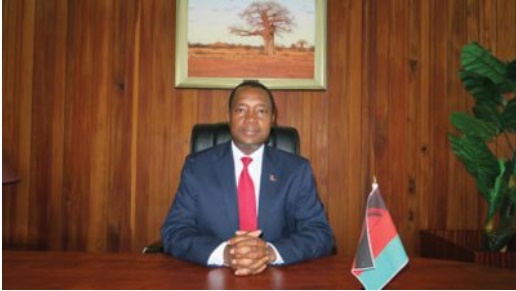
RBM Governor, Dalitso Kabambe, announced this in a statement dated April 1 2020 after a two-day meeting of the Monetary Policy Committee (MPC).
According to Kabambe ,the committee resolved to cut the Liquidity Reserve Requirement (LRR) on domestic deposits by 125 basis points to 3.75 percent from 5.0 percent.
“This reduction will immediately release primary liquidity of about K12 billion uniformly across the banking system in proportion to liabilities of the banks,” he said.
He added that the committee also resolved to reduce the Lombard Rate ( interest rate charged by central banks when providing short-term loans to commercial banks) by 50 percent to 0.2 percentage points above the Policy Rate to enable commercial banks to pass on the benefits to its borrowers.
“These decisions were deemed necessary to ease banking system liquidity constraints and incentivise commercial banks to adequately support the sectors that are hit by the Covid-19 pandemic,” he said.
Malawi registered its first Covid-19 case on Tuesday in Lilongwe. President Peter Mutharika has advised Malawians to continue protecting themselves from the virus and not to panic during this time.
He, however, added that the MPC decided to maintain the Policy Rate at 13.5 percent to mitigate against potential upward risks from the pandemic while monitoring developments as they evolve and act as and when necessary.
According to RBM, the recent strong agricultural harvests have boosted growth, but the growth path for the remainder of the year will depend on the impact of Cvoid-19 on the rest of the sectors following the disruption of global and regional economic links.
“This notwithstanding, economic growth may rise further to 6-7 percent in the medium term, backed by infrastructure that is more resilient to shocks from climate change, improved access to finance, crop diversification, and an improved business climate.”
The central bank said inflation at the end of year 2020 is projected at 9.3 percent from 11.5 percent at the end of 2019. Food inflation is projected to continue declining in the near term, owing to improved maize harvest.
The continued exchange rate stability together with the decline in global oil prices will assist to contain non-food inflation.
However, it says the uncertainties surrounding the evolution of the Covid-19 pandemic is the key upward risk.
Follow and Subscribe Nyasa TV :