

Self-Made and Unstoppable: Can Gangata Turn Street Genius Into State Craft as Minister of State?
President Arthur Peter Mutharika’s latest cabinet announcement has stunned and stirred conversation across the country. Among the names listed on Sunday night’s partial appointments, none has generated as much buzz as that of Alfred Ruwan Gangata — a 37-year-old businessman, football sponsor, and Democratic Progressive Party (DPP) loyalist — who now carries the powerful title of Minister of State.
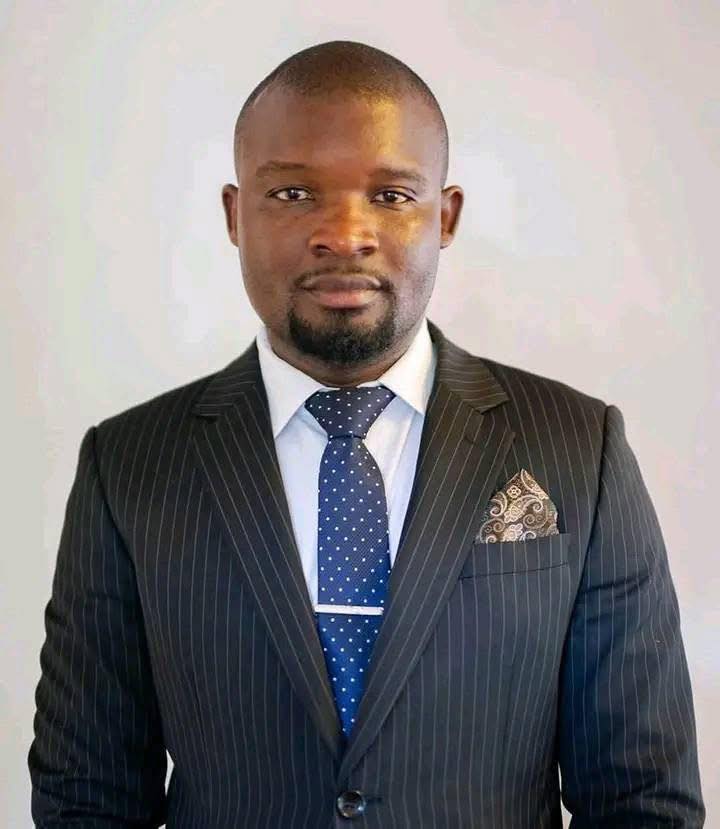
To some, Gangata’s rise is the embodiment of the Malawian dream: a story of grit, hustle, and sheer determination. To others, it is a risky political experiment — a test of whether street-smart business instinct can translate into disciplined governance. Either way, Mutharika’s decision to bring Gangata into the heart of government sends a message: this administration will reward resilience, loyalty, and youth energy alongside technocratic experience.
The Man Behind the Name
Born in October 1988 in Kachipeya Village, Traditional Authority Kachere in Dedza, Alfred Gangata is not your typical political elite. A holder of a degree in Bussiness Administration; he often introduces himself as a “self-made” entrepreneur.
From humble beginnings, Gangata built Masters Group, a homegrown conglomerate that now includes Masters Security Services, Masters Borehole Drilling, Fredlines General Dealers, and Masters Concrete Construction. His flagship company, Masters Security Services, grew from a small operation started in 2011 with about K100,000 to a national player guarding all Airtel Malawi towers and employing thousands.
By mid-2010s, he was already claiming to have created more than 10,000 jobs, most of them for the youth. His football club, Masters Security FC, won the 2018 Carlsberg Cup, earned continental recognition in the CAF Confederation Cup, and was honored with an MBC Innovations Award for inspiring young people through sport.
A Youth Magnet in Politics
Gangata’s political rise within the Democratic Progressive Party (DPP) has been rapid. A long-time financier and campaigner for the party, he is currently the DPP’s Vice President for the Central Region. Known for his flamboyant generosity — including a MK16 million donation to a church choir in July — Gangata has carved out a reputation as a populist businessman who connects easily with ordinary Malawians.
His appointment to Cabinet, therefore, appears to be a calculated attempt by President Mutharika to inject youthful energy and entrepreneurial pragmatism into his new government — and to strengthen the DPP’s urban and Central Region appeal.
The Weight of a Minister of State
In government hierarchy, a Minister of State is often a Cabinet member assigned to assist a senior minister or handle special cross-ministerial functions under the President’s office. Such ministers coordinate flagship projects, oversee interdepartmental initiatives, and act as political troubleshooters.
For Gangata, this role will test whether his business acumen and grassroots charm can be translated into disciplined statecraft. Expectations are high that he will use his experience in job creation to spearhead youth employment programs and public-private partnerships aimed at revitalizing local enterprise.
Political observers say Mutharika may also deploy Gangata as a “political field marshal” — bridging government with the restless youth base that has often felt excluded from policymaking.
Promise and Peril
But the appointment is not without controversy. Gangata’s past brushes with the law — including an ongoing case involving allegations of falsifying a school certificate — may cast a shadow over his political credibility. Critics argue that his rise reflects political patronage more than merit. Yet supporters insist that his life story, however imperfect, embodies the entrepreneurial courage Malawi needs.
“Gangata is not a product of privilege,” one DPP insider remarked. “He knows what it means to start from zero — and that’s the kind of energy APM wants in his second term.”
The Stakes Ahead
For Alfred Gangata, the challenge is monumental. He enters government at a time when public trust in leadership is thin, the economy is fragile, and citizens are impatient for change. To succeed, he must prove that being self-made is not just a slogan — but a discipline that can rebuild faith in public service.
If he channels his energy toward policy delivery rather than political showmanship, his appointment could mark the dawn of a new generation of practical, business-minded leaders. If not, it will be another cautionary tale of ambition colliding with power.
For now, all eyes are on Dedza’s son — the entrepreneur who has stepped into history as one of the youngest Ministers of State in Malawi’s democratic era.
Follow and Subscribe Nyasa TV :