

OPINION | Malawi Police: The same brutality, different party colours
What happened yesterday was barbaric, shameful and deeply disturbing. But anyone pretending to be shocked by the conduct of the Malawi Police Service is either dishonest or politically selective.
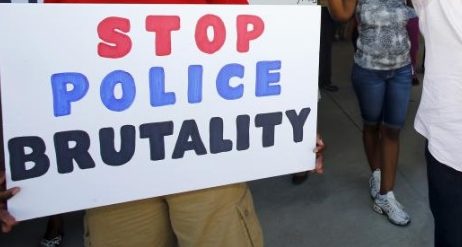
The truth is painful: Malawi’s Police has long ceased to operate like a professional State security institution. It behaves like a rented weapon for whichever political party occupies State House. Yesterday it may have protected one regime. Tomorrow it will protect another. The brutality simply changes uniform colours.
And frankly speaking, the Malawi Congress Party must be the last political grouping to cry louder than everyone else over police brutality. MCP suffered heavily between 2018 and 2020. We all witnessed police officers tear-gassing Lazarus Chakwera at his own party headquarters during meetings with diplomats. We watched the “bombing” of MCP offices during post-election protests. Police acted recklessly, arrogantly and without restraint.
Those ugly experiences should have planted permanent anger in Chakwera — the kind of anger that reforms institutions once power is attained. Malawians expected a President who understood oppression firsthand to transform the Police into a professional, independent and accountable institution.
But what did we see instead?
A compromised Police Service operating under political influence. Protesters abandoned to violence. Selective law enforcement. Political thugs acting with confidence because they knew the system would protect them. Citizens attacked while officers conveniently disappeared. And leadership remaining silent while democratic rights were trampled in broad daylight.
That is why today’s outrage feels hollow to many Malawians.
A government that tolerated intimidation when it was politically convenient cannot suddenly become the global ambassador of civil rights when tables turn against it. Oppression does not become evil only when your own side suffers from it.
One of the greatest failures of the Chakwera administration was its refusal to fundamentally reform the Police despite having both the moral authority and political opportunity to do so. Instead, the institution remained trapped in the same culture of loyalty to politicians rather than loyalty to the Constitution.
Malawi’s biggest democratic tragedy is that every ruling party condemns police abuse in opposition and quietly embraces it in government.
Under UDF, the Police was accused of serving political interests. Under DPP, the same accusations persisted. Under MCP, many expected a clean break from the past. Instead, Malawians watched familiar patterns return under new management.
This is why citizens are losing faith in public institutions. The Police no longer appears independent. It looks like a political department that shifts allegiance every five years depending on who controls power.
And until that changes, yesterday’s scenes will keep repeating themselves.
Because the problem is no longer individual officers alone. The problem is a political culture that rewards loyalty over professionalism and treats State institutions as party property.
A mature democracy is measured by how safely opposition voices can exist within it. Not by speeches at rallies. Not by constitutional slogans. But by whether citizens can protest, criticise and organise without fear of violence or intimidation from State machinery.
That is the real issue Malawians must confront.
Not party colours.
Not tribal loyalties.
Not propaganda.
But whether this country is willing to build institutions that serve the nation instead of politicians.
Follow and Subscribe Nyasa TV :