

Govt Intention to Turn Mulanje Mountain into a Cultural Heritage Risks to Delay $260 Million Bauxite Mining Project
A government plan to turn parts of Mount Mulanje into a Cultural Landscape and Protected Monument has sparked outrage — with fears that it will delay or even kill a $260 million bauxite mining project set to transform the lives of thousands in Mulanje District.
Communities living around the Chambe and Lichenya plateaus say the decision is reckless and unjustified — especially since the proposed mining area is a treeless plateau, already cleared by the Forestry Department and Malawi Environment Protection Authority (MEPA) as environmentally safe for mining.
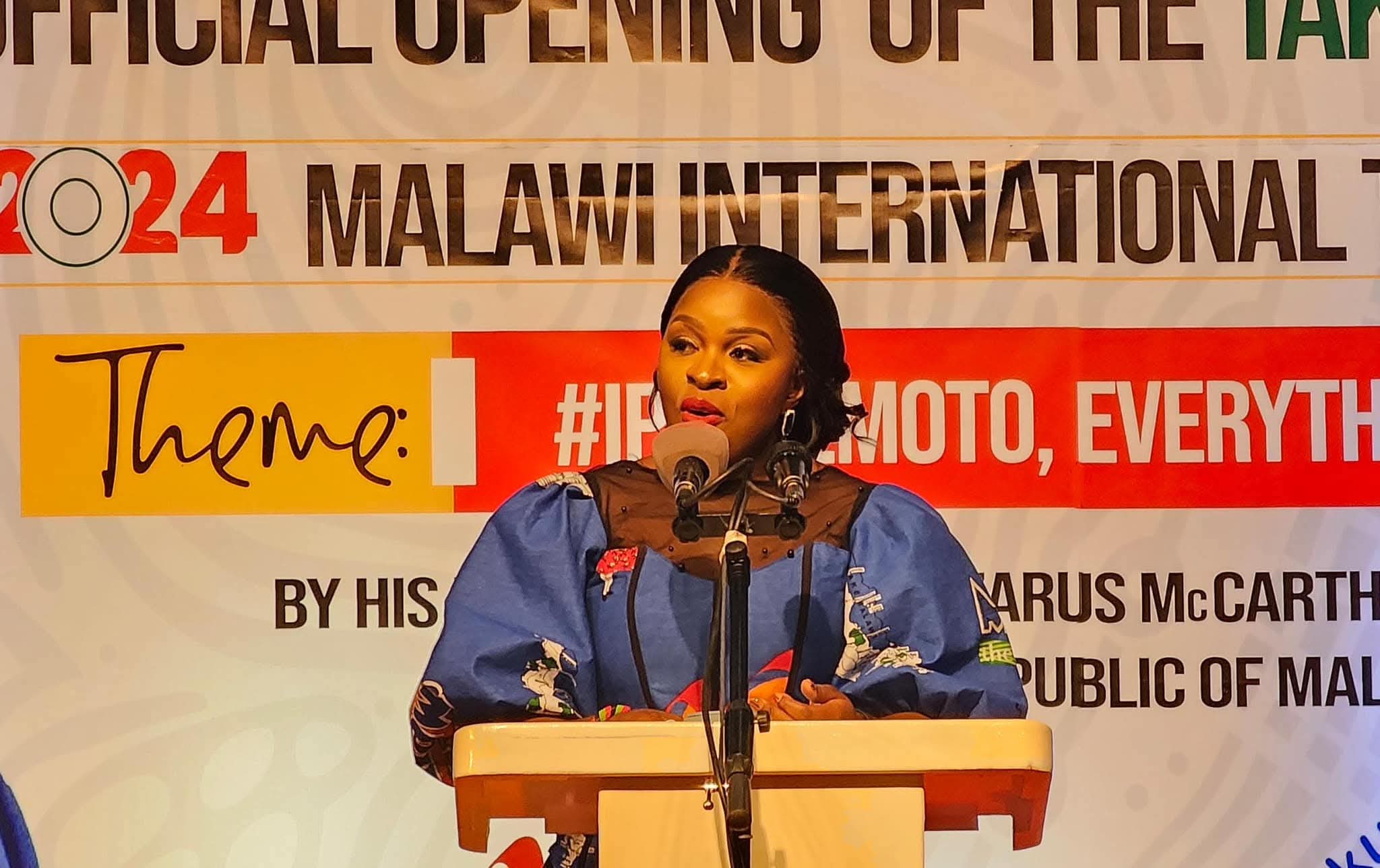
“This project was our future. Now they want to delay it in the name of culture? For who? Not for us,” fumes one of the Group Village Headman, one of the local leaders. “We were part of the consultations with the mining company — not the government. They never asked us about this declaration.”
On July 2, 2025, the Ministry of Local Government, Unity and Culture issued a notice of intent to declare Mulanje Mountain a Protected Monument and Cultural Landscape, under the Monuments and Relics Act. If enforced, this status will complicate all mining, farming, or development activities on the mountain without special approval from the Minister.
$260 Million in Limbo — and a Community on Edge
The mining project, being led by Akatswiri Mineral Resources Limited, a 100% Malawian-owned company, has already received full government clearance, including a 15-year mining licence (AML0113) and a comprehensive Environmental and Social Impact Assessment (ESIA).
The project is expected to:
- Generate $260 million in annual forex
- Create over 2,265 direct jobs
- Cut Malawi’s aluminium import bill
- Contribute 7% of royalties to monument conservation efforts
- Use zero-blasting, low-impact methods with aerial cable transport to protect the landscape
“We’ve followed all the laws. We worked with MEPA, the Ministry of Mining, the Forestry Department, and the local communities,” said Hilton Eneya Banda, Group Chairman of Akatswiri. “This declaration was sudden, one-sided, and completely ignores seven years of work.”
Communities Say: “We Need Economic Justice”
The backlash from residents is growing. For many, the bauxite mining project is the only hope for economic survival. This follows the recent closure of Lujeri Tea Estate, which left over 10,000 people jobless in the area.
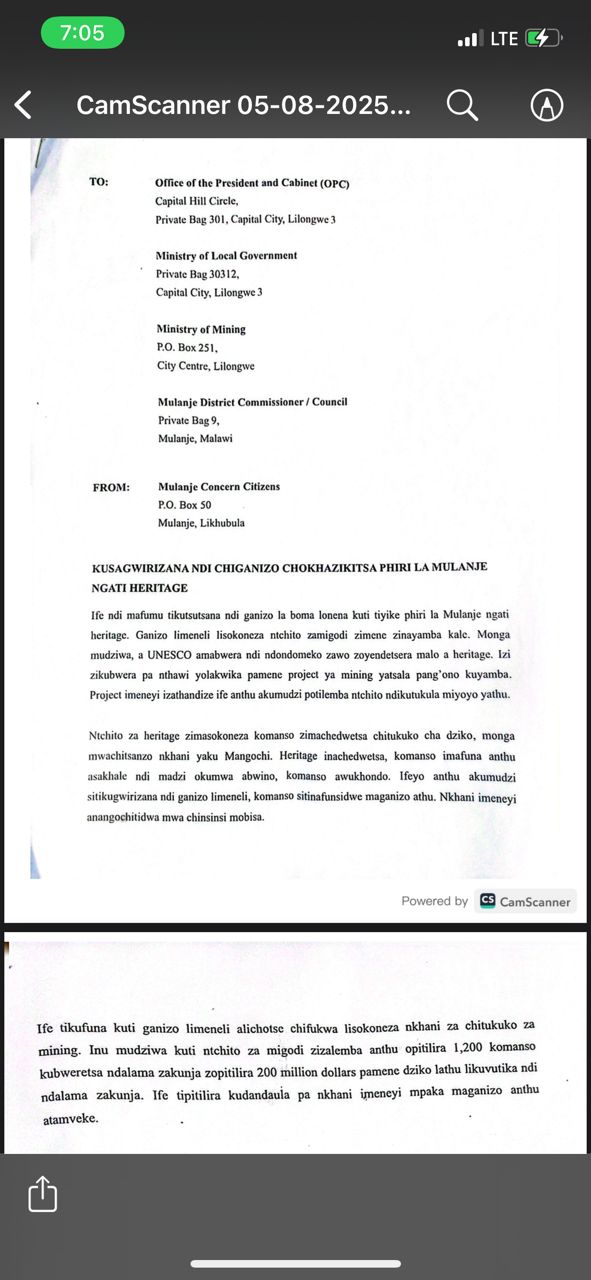
“After Lujeri shut down, we had nothing left. This project is our lifeline,” said Mary Likhomo, chairperson of Chambe Women’s Group. “The government should be helping us, not blocking development.”
Past Governments Rejected This
Interestingly, no previous government has ever accepted the idea of turning the mountain into a conservation site that blocks mining. Proposals by Mulanje Mountain Conservation Trust (MMCT) and their foreign partners to turn the whole mountain into a heritage or protected site have always been rejected or ignored — for one clear reason: it would sterilize economic potential.
“It’s only now, under pressure from certain foreign-funded NGOs and possibly UNESCO, that this idea is being pushed again — and it’s happening quietly, without proper public input,” noted a senior official from the Ministry of Mining.
A Familiar Pattern of Delay
Mulanje’s situation reminds many of the Mangochi Water Project, which was delayed for years by similar environmental and heritage concerns by UNESCO. Families were left drinking dirty water while bureaucrats argued. Today, the project is running — with no damage done, and thousands now enjoying clean, safe water.
“We must learn from Mangochi,” said Dr. Allan Nyasulu, an economist. “Development delayed is development denied. Let’s not block progress over exaggerated fears.”
The Bigger Agenda?
Community leaders now suspect that UNESCO, with help from NGOs like MMCT, may be trying to push a global conservation agenda that works in Europe — but hurts poor countries like Malawi.
“Let’s be honest — this is a white man’s agenda,” said GVH Kamtukule. “They want us to protect rocks while we die poor. But when their countries discover minerals, they mine them. Why block us?”
A Government Fighting Itself?
While the Ministry of Mining is pushing the Agriculture, Tourism and Mining (ATM) strategy as a path to national development, the Ministry of Culture is effectively blocking one of the country’s most promising mining projects.
“This is government confusion,” said Banda. “One office gives us a mining licence, another wants to cancel it without consultation. That’s not how a country should operate.”
What Now?
Akatswiri says it is willing to protect any genuine cultural sites on the mountain — but the government must be clear and transparent about which areas are sacred, and which are economic.
“You cannot declare the whole mountain sacred just to stop development,” Banda said. “That’s unfair, irresponsible, and dangerous for Malawi’s economy.”
As it stands, the $260 million bauxite project that promised to revive Mulanje’s economy, bring jobs, forex and hope — now hangs in the balance.
The people of Mulanje are watching. And this time, they’re not just watching to protect a mountain — they’re watching to protect their future.
Follow and Subscribe Nyasa TV :