

Malawi rolls out malaria vaccine: 1st nation to immunize kids in landmark pilot
Malawi has become the first country in the world to roll out a K1 billion landmark large-scale pilot of the first malaria vaccine to give partial protection against the disease, giving hope that deaths due to the killer disease will be drastically cut.
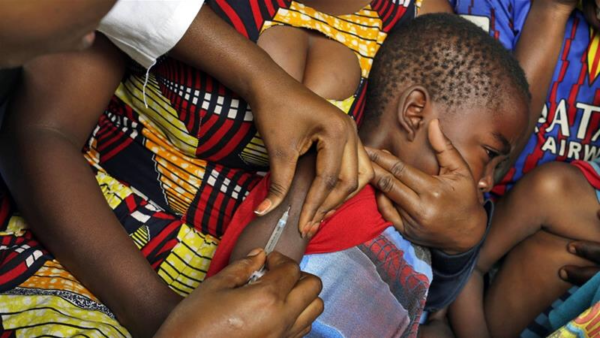
The World Health Organization says Malawi is the first of three countries chosen for the pilot to roll out the vaccine. It aims to immunise 120,000 children aged two years and below. The other two countries, Ghana and Kenya, will introduce the vaccine in the coming weeks.
The three countries were picked because they already run large programmes to tackle malaria, including the use of bed nets, yet still have high numbers of cases.
Ministry of Health spokesperson Joshua Malango said the vaccine has a 40 per cent effective and is expected to cut malaria prevalence among children from 35 per cent to 25 per cent.
Malawi recorded five million cases of malaria in 2017 out of a population of 17 million and the disease is blamed for high work and school absenteeism rate, high mortality rate among others.
Malango said the prevalence rate is expected to go down further from the 27 percent in due course during the pilot phase of the vaccination period.
Area 18 Health Centre was the centre of the trials by WHO and UNC.
The health centre’s in-charge Kennyson Masiyano said the vaccine trials started way back in 2009.
“Most of the children enrolled in the study did not report any cases of malaria, they did not come for malaria treatment, so this is a big day for Malawi,” said Masiyano.
He said 40 per cent of outpatients at the facility are malaria patients most of whom he said are children and women.
Masiyano said the vaccine will go along with other malaria preventive measures like sleeping in mosquito nets.
The “RTS,S” vaccine was 30 years in the making. The nearly 40% efficacy rate is not as high as vaccines for other diseases, but the WHO said RTS,S will add to the preventative measures already being used, such as bed nets and insecticides.
“Nobody is suggesting that this is a magic bullet,” said Dr David Schellenberg, scientific adviser to the WHO’s Global Malaria Programme, in an interview with the BBC.
“It may not sound like much but we’re talking about 40% reduction in severe malaria, which unfortunately still has high mortality even when you have good access to good treatment.”
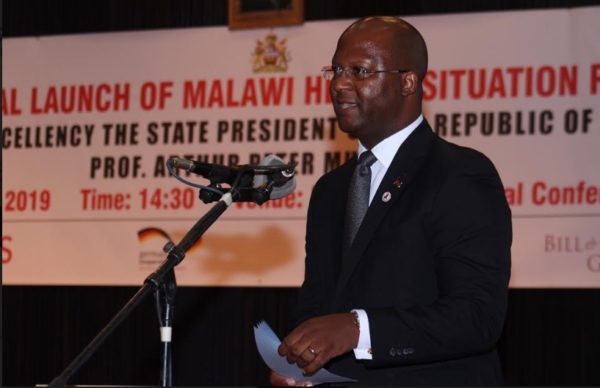
Minister of Health Atupele Muluzi has described the roll out of the immunization is historic, saying it will change the trajectory of malaria through childhood vaccination.
Muluzi said his Ministry already run large programmes to tackle malaria, including the use of bed nets, yet still have high numbers of cases.
The vaccine needs to be given four times – once a month for three months and then a fourth dose 18 months later.
Follow and Subscribe Nyasa TV :