

Minister Mwanamvekha Challenges Private Sector to Drive Malawi’s Economic Recovery
Minister of Finance, Economic Planning and Decentralisation Joseph Mwanamvekha has challenged the private sector to play a more active role in solving Malawi’s economic challenges, saying government alone cannot deliver the economic transformation the country urgently needs.
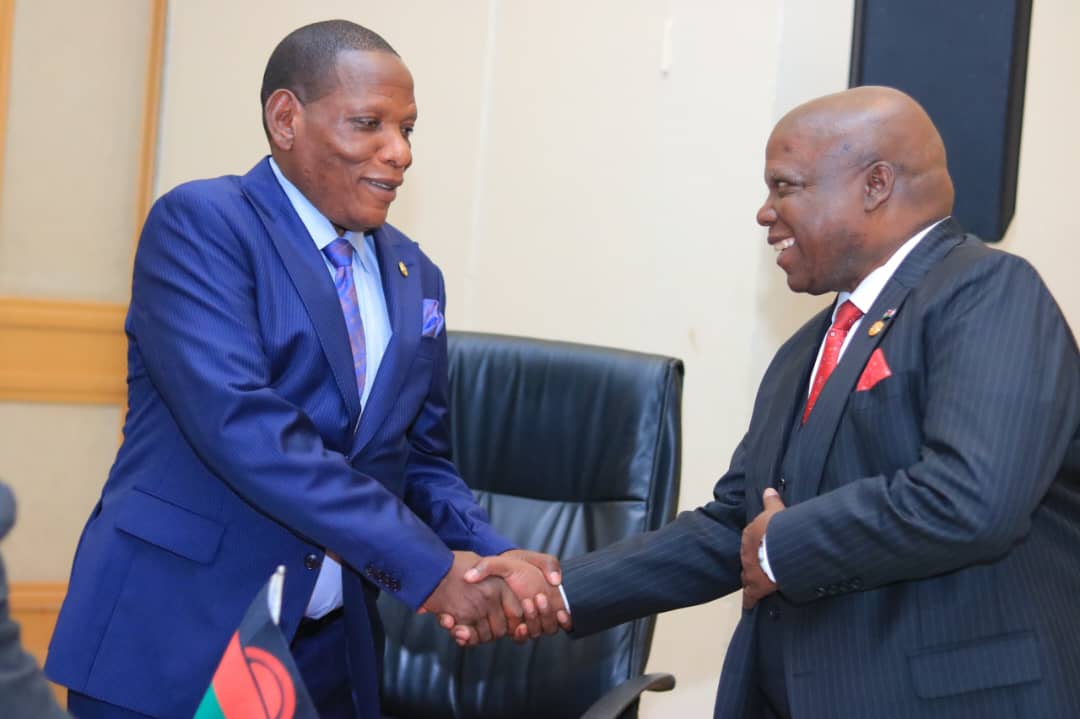
Speaking at the opening of the National Economic Recovery Plan validation workshop in Lilongwe, Mwanamvekha called for bold ideas, practical solutions and stronger collaboration between government, businesses and other stakeholders to restore macroeconomic stability and put the country on a path to sustainable growth.
The minister acknowledged the hardship many Malawians are currently facing following the introduction of new levies and fiscal measures, but maintained that the government had little room to manoeuvre given the state of the economy.
“The government had no choice given our macroeconomic situation. Had we not imposed those levies, we would not have been able to pay salaries or procure essential medicines,” he said.
Mwanamvekha assured citizens that the current economic difficulties are temporary and part of broader efforts to stabilise the economy and create a stronger foundation for long-term growth.
He stressed that the success of the National Economic Recovery Plan will depend on collective action and shared responsibility.
“Government alone cannot achieve the national economic recovery agenda. We need everyone on board,” he said.
According to Mwanamvekha, the recovery plan provides a strategic roadmap for rebuilding the economy through fiscal discipline, increased productivity, enhanced food security, export diversification and private sector-led growth.
He challenged business leaders, economists and development experts attending the workshop to move beyond diagnosing problems and begin proposing practical, implementable solutions.
“We have professors and great minds in this room. Let us focus on finding solutions that can move our country out of poverty and onto a path of prosperity,” he said.
The minister also expressed concern over Malawi’s growing debt burden, describing it as one of the major obstacles to economic recovery. He revealed that delays in adjusting fuel prices to reflect market realities have cost government close to K1 trillion, placing additional pressure on public finances.
Mwanamvekha further highlighted the urgent need for job creation, noting that thousands of young people are entering the labour market every year with limited employment opportunities available.
“With about 5,000 young people graduating from university annually, we must create more jobs and economic opportunities to absorb this growing workforce,” he said.
He argued that difficult economic decisions are sometimes necessary if a country is to achieve long-term development goals.
“There comes a time when a nation must endure temporary discomfort in order to achieve lasting economic progress and realise the aspirations of Malawi 2063,” Mwanamvekha said.
On food security, the minister reaffirmed government’s commitment to ensuring that Malawians have access to adequate food supplies, describing the issue as a key pillar of the country’s recovery agenda.
The National Economic Recovery Plan is expected to serve as a blueprint for restoring economic stability, stimulating investment and accelerating Malawi’s journey towards inclusive and sustainable development.
Follow and Subscribe Nyasa TV :