

NAP, CSEIF demand release of ECF conditionalities, suspect government playing dishonestly on the matter
The National Advocacy Platform (NAP) and the Civil Society Elections Integrity Forum (CSEIF) have demanded that the Government of Malawi and the Ministry of Finance should disclose full set of conditions that were negotiated under the Extend Credit Facility (ECF) of the International Monetary Fund (IMF).
The demand follows public announcement that the facility has lapsed and that Malawi is no longer under an active programme with the Bretton Woods institution.
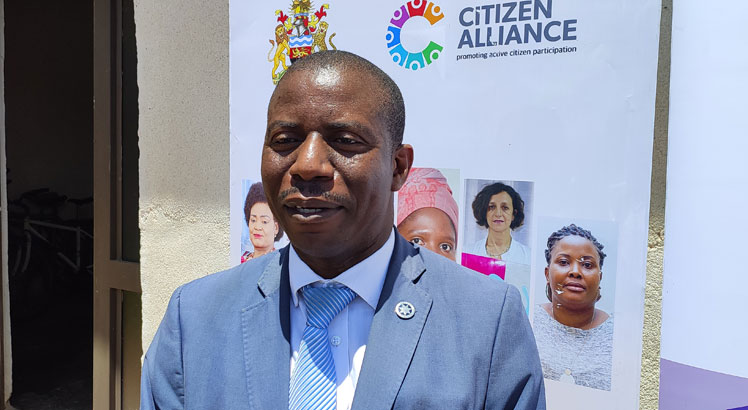
NAP and CSEIF chairperson Benedicto Kondowe, in a statement issued on Friday, said they were skeptical with the reasons the government, through the Secretary to the Treasury, Betchani Tchereni; hence, their decision to demand full set of the conditions under which the facility was negotiated.
“Allegations circulating in the public domain suggest that the government was asked to: Devalue the kwacha; Adjust fuel prices; Adjust electricity tariffs; Reduce public sector wages; and Freeze recruitment into the public service. If these claims are accurate, then the public has a right to know what was demanded, what was accepted, and what was declined and why the ECF was allowed to lapse without full implementation,” said Kondowe in the statement.
He further highlighted the 2024 Economics Consultative Association of Malawi (ECAMA) study on the ECF, which concluded that Malawi has historically failed to meet ECF conditionalities due to governance weaknesses, policy inconsistency, and fiscal populism.
The study warns that without transparency and accountability, programmes like the ECF will continue to collapse, leaving the country more indebted and economically exposed.
“We therefore demand the Ministry of Finance, Reserve Bank of Malawi (RBM), and all relevant stakeholders to publish: The full set of ECF conditions; The reasons for non-compliance; The implications of the lapse on future fiscal stability and social services; The government’s plan for debt management and fiscal discipline moving forward. Malawians deserve facts, not filtered narratives or speculation,” emphasized Kondowe.
The two organizations say they acknowledge the real and painful economic hardship that Malawians are facing—rising fuel costs, inflation, scarcity of forex, and high debt burdens, but caution against oversimplified narratives that blame one administration or glorify another.
Kondowe said the economic crisis is structural and cumulative thus it cannot be solved by political nostalgia or populist promises.
“The ECAMA analysis shows that ECFs have rarely translated into sustainable growth, partly due to the failure of successive administrations to implement hard but necessary reforms.
We need a new economic governance framework that goes beyond IMF compliance and responds to the needs of Malawians. This means: transparent and pro-poor budgeting; accountable debt contraction and management; improved governance and public finance systems; realistic wage policies and social protection; civic and legislative oversight of all public borrowing,” he demanded.
Follow and Subscribe Nyasa TV :