

Presidential candidates’ age, qualifications debate resurfaces: Analysts settle for 70 years for Malawi leader
A debate to limit the age of presidential candidates to 70 years and proposals to include in the country’s laws presidential candidates’ qualifications has generated a lot of interest.
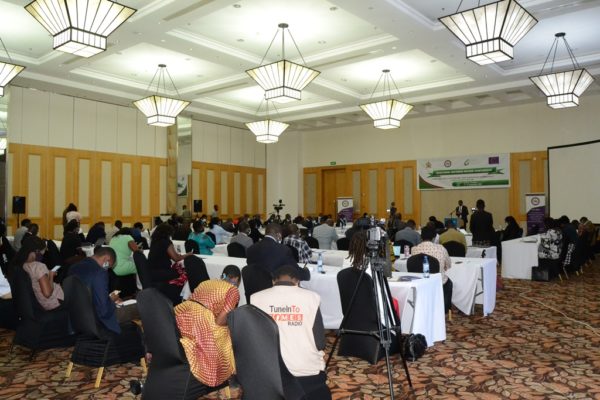
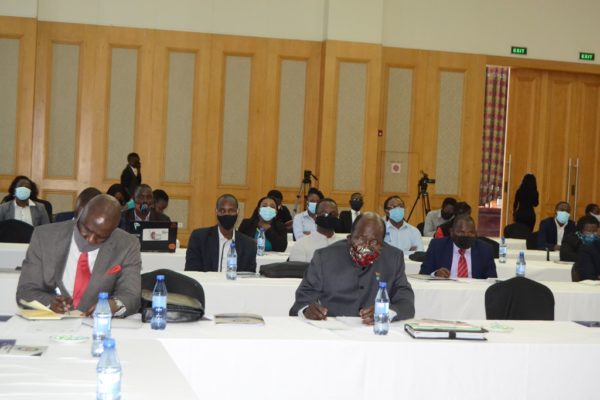
Some delegates to an electoral reforms review conference in Lilongwe which was organised by the National Initiative for Civic Education (Nice) Trust argued that a minimum age of 35 and nationality are not enough qualifications for one to run in the presidential office.
The Law Commission report recommended at least a bachelors degree for one to run for office of President.
Other delegate were keen on limiting the age of a presidential candidate to a maximum of 70 years.
This would effectively close the door for President Lazarus Chakwera to seek a second term in 2025.
President Chakwera is 65 this year andwill not be eligible to contest the presidency during the next polls set for 2025 if the proposal is adopted and constitutional amendment goes through.
Chancellor College-based political scholar, Ernest Thindwa, and Mzuzu-based social and political commentator, Emily Mkamanga, in an interview with Nyasa Times said 70 years is the most ideal age limit for candidates seeking to be elected to the highest office of the President of the Republic of Malawi.
Thindwa, in response to a questionnaire from Nyasa Times said although there is no definitive age during which a person is likely to lose mental sanity, it is important that those seeking election to the State Presidency should be within their active and productive ages.
He said there is evidence to suggest generally that individual productivity and mental capacity tend to decline significantly when one is 70 and above.
“Age limit is important for the office of presidency. Critical decisions that can determine the fate of the country revolve around the presidency. As such holders of such an office need to be in total control of their mental faculties,” explained Thindwa.
“As humans, there is an age limit beyond which one cannot be in control of his/her sanity. What we are dealing with is a question of legitimacy and trust. If the holder of the office has lost sanity due to age, any decision or action emanating from the office when the incumbent for reasons of age is incapacitated would be devoid of both legitimacy and citizen trust which could send the country into the path for political turmoil,” he added.
Thindwa emphasized that the risk of electing individuals aged 70 and/or above is that the country risks having an illegitimate individual and/or a cartel of people assuming governmental and presidential powers in the event the incumbent’s brain suffers from grave diminishing mental capacity owing to age.
He said since Malawi adopted a democracy where the exercise of presidential powers is vested not in a proxy individual or group, but in an individual who is directly elected by universal suffrage, it is extremely important that the country should demonstrate that ‘we are a progressive society that can deal with political risks through collective action divorced from partisan lenses’.
On the other hand, Mkamanga said the Office of the President of the Republic is a very tasking position; hence, it is important that those seeking its election must be at his or her active stage so that if elected, they will not just rely on people, but use their own judgment when dealing with multiparty system of government.
“Hence, I feel the best age limit should be between 40 and 70. These are the ages when one can easily stand the pressures of government. The dangers are that they can be easily misled by people around them,” she said.
At the two-day meeting that ended on Friday in Lilongwe, other issues included a proposed Constitutional (Amendment) Bill on adoption of 50-plus-one percent electoral system, reinstatement of the recall provision for members of Parliament (MPs), a president changing political parties after election and a review of constitutional bodies such as the Office of the Ombudsman and the Malawi Human Rights Commission(MHRC).
The aim of the meeting was to review Electoral Law reforms and chart a path for their adoption before the next tripartite election.
Follow and Subscribe Nyasa TV :