

‘Zigege’ fuels bad tendency of eating without hand washing habits
Zigege; is a processed as fried sliced Irish potato soaked in colored and spiced paste of wheat flour.
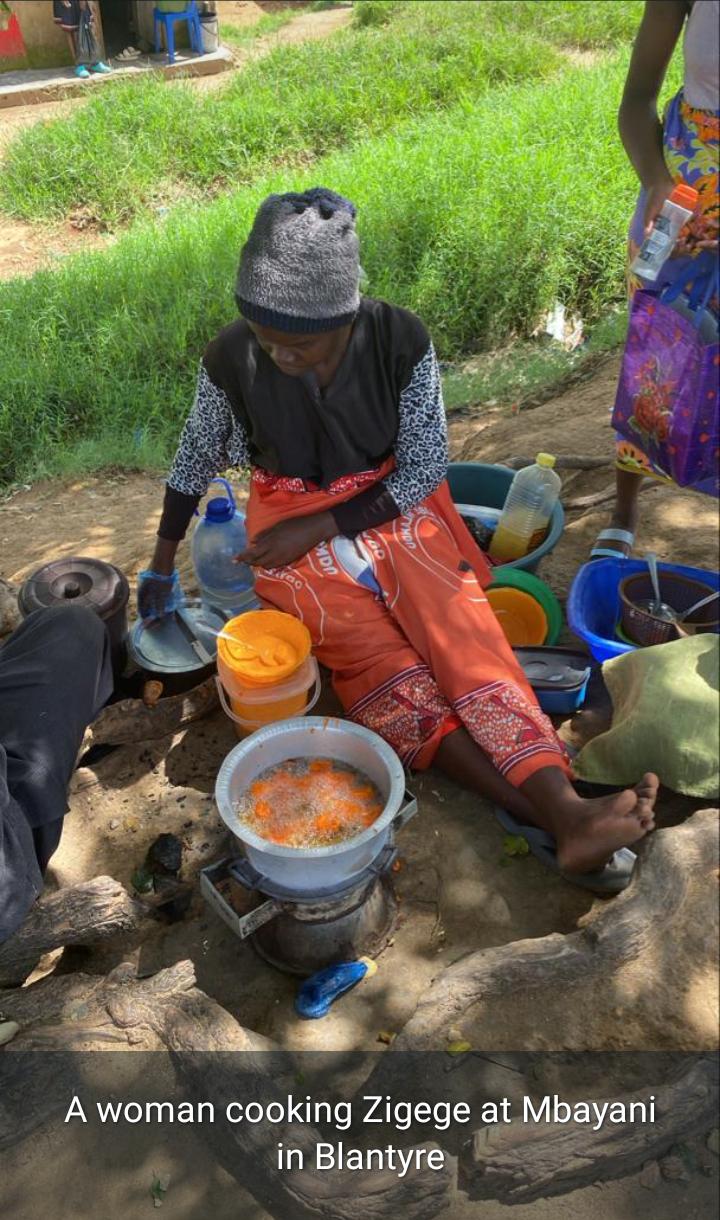
This is a nationwide small scale business which is popularly known and found in every corner of Malawi, be it hard to reach areas inclusive; for instance Nthalire in Chitipa district up-north Makanjira in Mangochi district eastern region, and Malaka in Nsanje district down south region – in all these areas Zigege is everyday name.
With little as ten thousand kwacha (K10, 000), it is enough capital for one to venture into the business. Random interviews shows that the K10, 000 capital budget can be used as follows: K3, 000 to purchase Irish potatoes, K2, 000 to purchase cooking oil, wheat flour K1, 000, firewood at K2,000, food colour at K500, Salt K500, cabbage K700, Onion K200 and Tsabola K1, 000. These costs, however exclude cost of cooking pot.
The simplicity for one to raise capital as demonstrated has contributed to widespread of Zigege business to extent that some citizenly even operates along muddy and tarmac roads including closer to where debris is being dumped.
Some youths call it gege, some Chewa tribe especially in central region call it Zibwente while the Lhomwe tribe especially in belt of southern region call it falinya.
Even though, Falinya is slightly different as it mainly involves flied sliced cassava soaked in the same colored and spiced paste of wheat flour while Zigege is strictly flied sliced Irish potatoes they are categorized in the same fastest selling household food that one can easily catch.
Despite the slight difference both, Zigege or Falinya are sold in public open spaces where majority don’t even bother to use clean water for hand washing with soap. The lack of sanitation and hygiene remains the biggest challenge nationwide.
Majority of the sellers are women but this doesn’t mean the business itself restricts men. A-52 year old Jameelah Ashraf of Msaka village, Group Village head man Chimphamba, under Senior Chief Nankumba in Mangochi district says Zigege business pays her bills and it is her only source of livelihood.
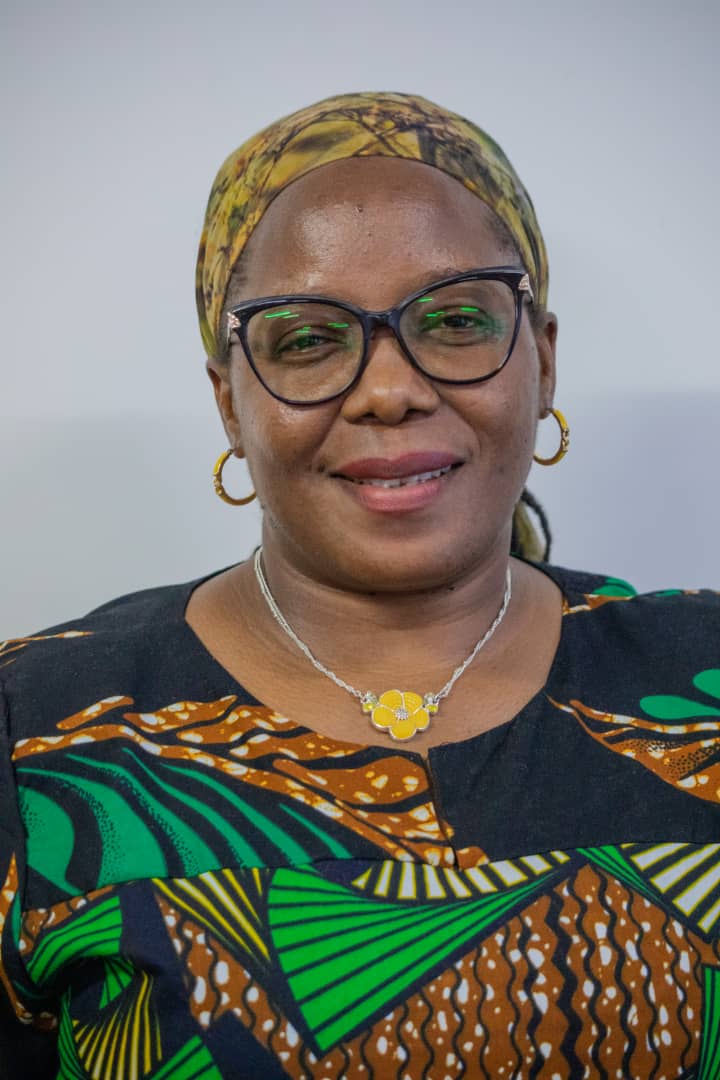
“Most fishermen, when they arrived here at the beach they quickly rush for fast food. This is why I choose selling Zigege. I don’t provide water for hand washing because most of my customers use the Lake to clean their hands,” she said.
This, is an indication that most people around the lake believes needs civic education that water from the Lake is not clean unless it is treated.
The tendency of eating Zigege without proper hand washing is on the increase with UNICEF and WHO Joint Monitoring Programme (JMP) data only 10 percent of households in Malawi have access to functional hand washing facilities with soap and water. As of 2021, 76.5 percent of schools had no soap and water.
Malawi faces significant water and sanitation challenges, with around 5.6 million people lacking safe water and 9.9 million lacking basic sanitation, contributing to 3,000 child deaths yearly which is high under-five mortality. Poor hygiene causes high disease burdens costing Malawi US$57 million each year, or 1.1 percent of national GDP, due to health costs and productivity losses
WaterAid Malawi, Hygiene and Behavior Change Specialist Ms. Maria Soko says as WaterAid Malawi, we emphasize that washing hands with soap before eating is crucial in preventing the spread of diseases.
“We urge the public to prioritize hand hygiene to protect themselves and their communities. Our message to the public is clear, encourage Zigege vendors to have hand washing facilities with water and soap at their business places. Wash hands with soap before eating Zigege, clean hands, peace of mind, healthy lives,” said Soko.
She, however say while increasing access to water is vital, its equally important to promote civic education on proper hand washing practices to ensure safe food handling.
On the growing concerns of authorities countrywide being silent in bringing sanity, expert Soko said, “We encourage Cities and District councils to regulate food vendors, inspect their hygiene practices, and protect public health. Let’s work together to ensure food safety and promote healthy eating habits.”
The lack of hand washing facilities especially in schools, Ms. Soko says is a concern. “We are calling on the Ministry of Education to prioritize WASH infrastructure, and to include hygiene promotion as part of teacher’s routine work to improve learners’ attentiveness in class.”
Ministry of Education spokesperson, Lily Kampani she can’t provide a response right now since this is specific issue concerning Zigege the Ministry needs time to conduct its research and make its observations and especially when schools open.
“Check with me in a few weeks’ time if you still want to pursue the story. In the meantime, sanitation and environment penalties issues are also primarily a ministry of health mandate, so you can also reach out to them if you want general information,” says Kampani.
Malawi Health Equity Network (MHEN) executive director George Jobe acknowledged that Zigege is widely consumed across Malawi and provide important livelihoods for many vendors.
He, however say because they are commonly eaten by hand, poor hygiene practices significantly increase the risk of cholera, diarrhea, typhoid, and other food-borne diseases.
Jobe said, MHEN therefore is strongly emphasizes that vendors should have hand washing facilities with water and soap at their selling points. Where this is not possible, Zigege should be served in clean plastic packaging to reduce direct hand contact between food and consumers. These are simple but critical measures to protect public health.
He, said if such hygiene practices are neglected, the country risks continued disease outbreaks, unnecessary loss of lives, increased pressure on health facilities, and economic losses due to illness and reduced productivity. Preventable diseases divert resources from development to emergency responses.
“While water boards have made commendable efforts to bring water kiosks closer to communities, civic education on hygiene remains essential. People must understand why hand washing with soap before eating is non-negotiable, especially when consuming street foods like Zigege,” says Jobe.
He said, MHEN’s message to the public, vendors, and authorities is clear: clean hands and save lives. Promoting basic hygiene is one of the most affordable and effective ways to prevent cholera and protect community health.
While expect calls to action for individuals, schools, and communities to become hand washing champions and make it shared mission for better health both Jobe and Soko they agrees that Zigege is tasty, but ignoring hygiene is pricer. Let’s prioritize hand washing, for a healthier, and happier Malawi in order to curb bad tendency of eating without proper hand washing.
Follow and Subscribe Nyasa TV :