

Free Education in Malawi: A Historic Promise Meets a Tough Test
Education has always been seen as the key to a better future. But for many children in Malawi, that dream has been hard to reach.
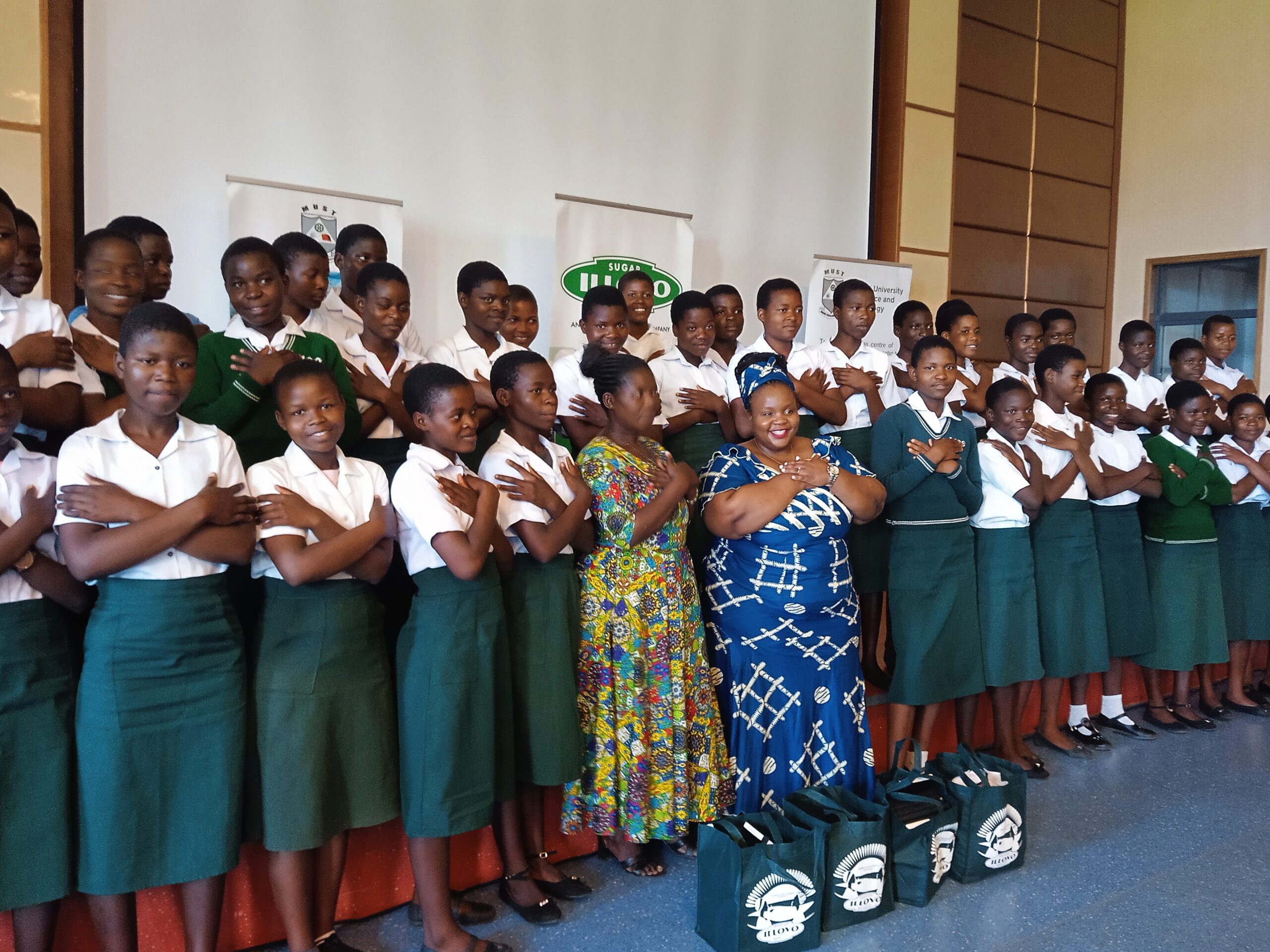
For years, school fees, overcrowded classrooms, and a shortage of learning materials have made it difficult for children especially those from poor families to stay in school.
Some parents have had to choose which child to educate, while others have watched all their children drop out because they could not afford the fees.
On October 19, 2025, President Peter Mutharika announced that starting in January 2026, both primary and secondary school education in Malawi will be free.
The announcement was made during the Mulhakho wa Alhomwe cultural festival in Mulanje and was welcomed with excitement across the country. Many Malawians said it is a great step toward giving every child a chance to learn.
The President said the new policy will remove money problems that stop children from going to school. He said free education will help fight poverty, build skills, and give all children an equal chance to succeed.
However, this promise comes with big challenges. Malawi’s education system is already struggling.
According to the Ministry of Education’s 2023 EMIS Report, some schools have one teacher for almost 100 learners. In rural areas, many pupils still sit on the floor, learn under trees, or share a single book among several classmates.
Teachers say that without more classrooms, desks, books, and teachers, the quality of learning may go down when free education starts.
Groups like UNESCO and Ripple Africa have also raised similar concerns. They say Malawi’s education system has long suffered from poor funding, overcrowded classrooms, and a shortage of qualified teachers.
Free education is a good and powerful idea, but experts warn that quality learning must not be forgotten. If classrooms are too full and teachers overworked, children may go to school but fail to learn what they need.
Still, the policy gives hope to many families who could not afford education. If done well, it can help reduce poverty, increase literacy, and give Malawi a stronger and more educated generation.
As Malawi prepares for the start of free education in 2026, the main question remains: Can the government make free education both accessible and of good quality?
Free education should not only open classroom doors it should open young minds and build a brighter future for Malawi’s children.
Follow and Subscribe Nyasa TV :
I think this is a good idea free education but the problem is the ministry of education for not helping teachers and students fast. All the money they have been collecting from students what did they do with the money? They eat it all and they used students money to build they House’s. Us a student, we suffered a lot. We always need to share material like books. This books were given to students 6 to 8 students to use one book, we sit on broken desks.
I don’t think we are in a good position to introduce free secondary schools education.
Our economy is not ready to support free secondary schools education.
My worry this will affect the quality of education which is already poor.
All the time when the new initiatives or proposals are projected they invite more questions, fears and challenges. However, we must learn to accept them with positive minds, and keep them under monitoring rather than giving cold shoulders before being put into implementation. Every success passes through challenges.
Yes , we need to have enough classrooms and teaching materials , there free education will be fruitiful
My view is that education is expensive, so as far as Malawi is concerned free education in Malawi is not possible especially looking at the cost of running the educational institutions and infrastructure, this will only help to deepen the already troubled Malawi’s economy due to eretic government funding, unless supported by corporate and donor partners which is not sustainable, nevertheless it’s a brilliant and progressive idea but needs proper planning and discipline across the board.
This is crazy. We will not have quality education
This will not help because we have already the shortage of qualified teachers and learning materials.
The idea of introducing free secondary education is a good move. But on the other angle it will negatively affect the quality of education. In economics angle there is no such a thing what we call free, meaning that someone will pay, obviously there will be an increase in different forms of tax which will cripple our economy as we already struggle to meet food demand, Free thing, most people they take it for granted for instance in primary schools most learners drop out even though it is free. Malawi is not ready to implent this idea, we are very far on industrialisation. We are just consuming nation relying on service jobs. The capacity to export is low and high import which does not balance at world trade. So with free secondary education who will be responsible for the cost? This is much more putting our nation on threat. The threat of international debts. These decisions should not be made out of emotions on the political podium
I appreciate a nation of Malawi,Papua New Guinea executed government policy for almost 20 years,every child has the right to education,best in the endeavors that you country will encounter.